Problems and tips · 15 min read
What to buy in China: 20 souvenirs and gifts, prices and customs limits
In short: the best things to bring home from China are tea bought at a tea market, a seal carved with your name in Chinese, silk, a Yixing clay teapot, panda souvenirs from Chengdu and Labubu figures from Pop Mart. For foodies: Sichuan pepper, Lao Gan Ma chilli crisp and White Rabbit sweets. Haggle at markets, not in shops with price tags. In "Tax Free" shops you get about 9% back on purchases from ¥200 (about 117 PLN). If you fly back to the EU, you can bring goods worth €430 per person duty-free, plus 1 litre of spirits or 2 litres of weaker alcohol, 4 litres of wine and 200 cigarettes. Meat, dairy, fresh fruit and plants are not allowed.
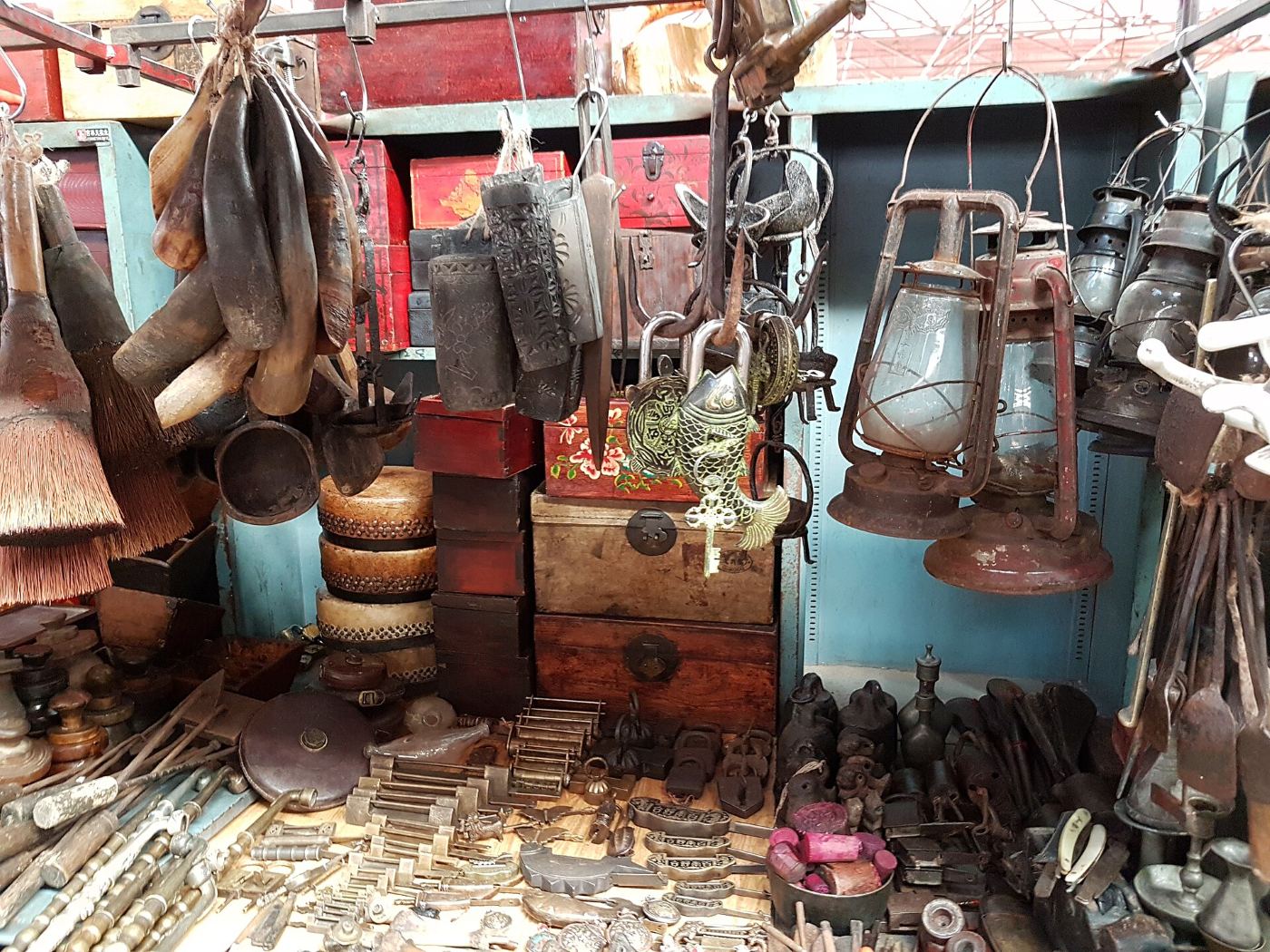
What surprised us most in China was how modern shopping is: you pay by phone even at a market stall run by an elderly tea seller, and a parcel ordered in an app is delivered to your hotel the next day.
Correct as of 22 October 2026. Prices are approximate prices in China – at markets they depend on how well you haggle. Check your country's customs allowances before you fly home. Amounts in yuan are converted at the National Bank of Poland rate into the currency you pick in the site menu.
Tea and everything for it
1. Tea from a tea market
The best souvenir from China and a gift that always works. Buy it at a tea market or a shop at a plantation, where you can taste a few teas before you buy (试茶, shì chá). Prices are usually per jin (斤, 500 g): good Tieguanyin oolong costs about ¥200 (about 117 PLN)–¥600 (about 350 PLN) a jin, Longjing from Hangzhou about ¥1,000 (about 583 PLN)–¥3,000 (about 1748 PLN), and pressed pu-erh from Yunnan comes in 357 g cakes. The biggest choice is on Maliandao tea street in Beijing (马连道茶叶街) and at Fangcun tea market in Guangzhou (芳村茶叶市场). More: Tea in China – types, prices and teahouses.
NoteDon't accept an invitation "for tea" from friendly strangers in the street – it's a well-known scam that ends with a bill for several hundred yuan (common mistakes in China).
2. A Yixing clay teapot and tea set
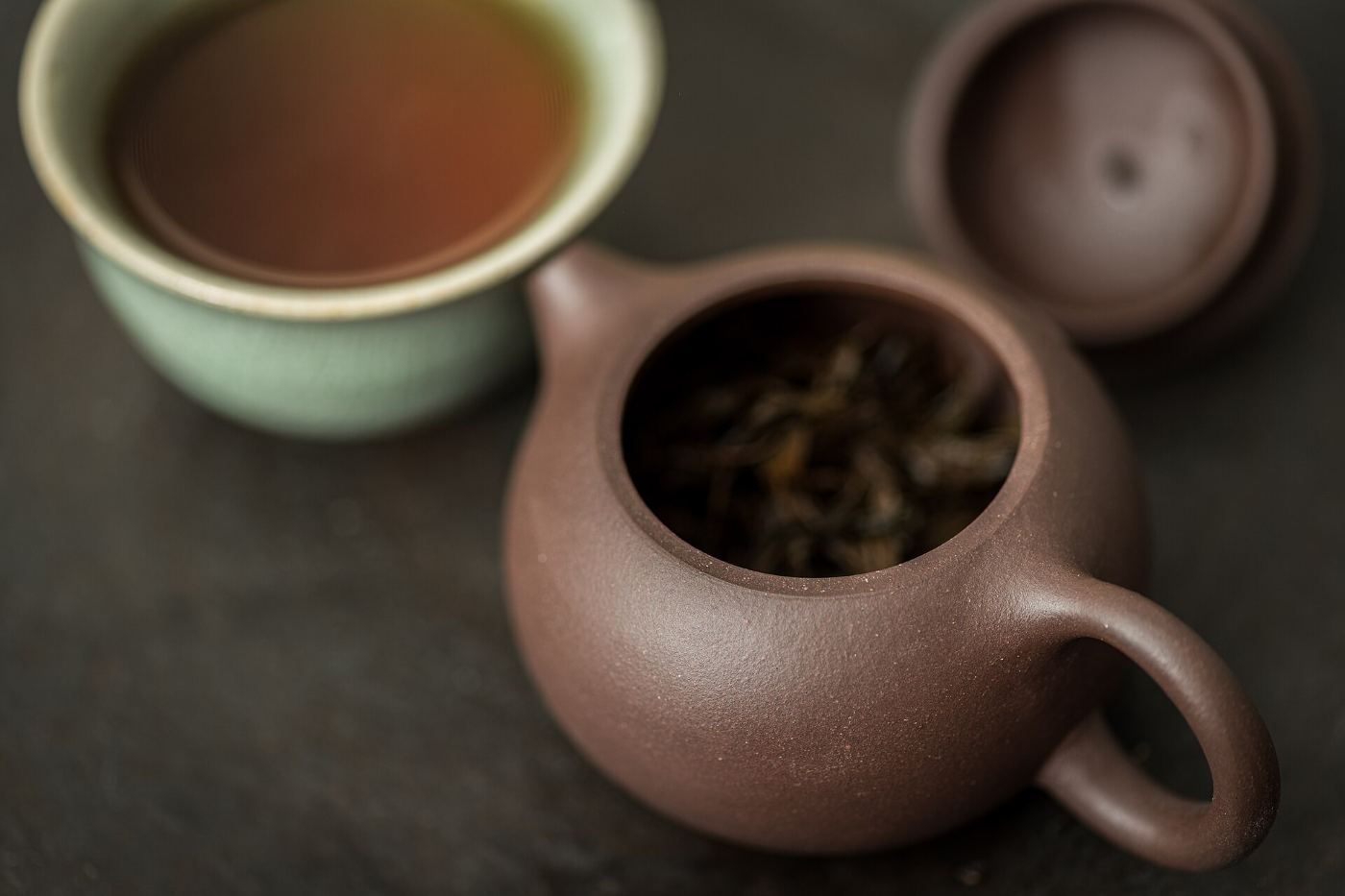
Small teapots of purple Yixing clay (紫砂壶, zǐshā hú) are a classic – the clay "remembers" the taste of the tea, so each one is usually used for a single kind. Souvenir ones start at a few dozen yuan, but handmade teapots of genuine clay cost several hundred and more, and the cheapest are often slip-cast. A simpler, cheaper gift is a gaiwan (盖碗), a lidded tea bowl, for about ¥30 (about 17 PLN)–¥100 (about 58 PLN), or a set of small cups.
Crafts and tradition
3. A seal with your name in Chinese
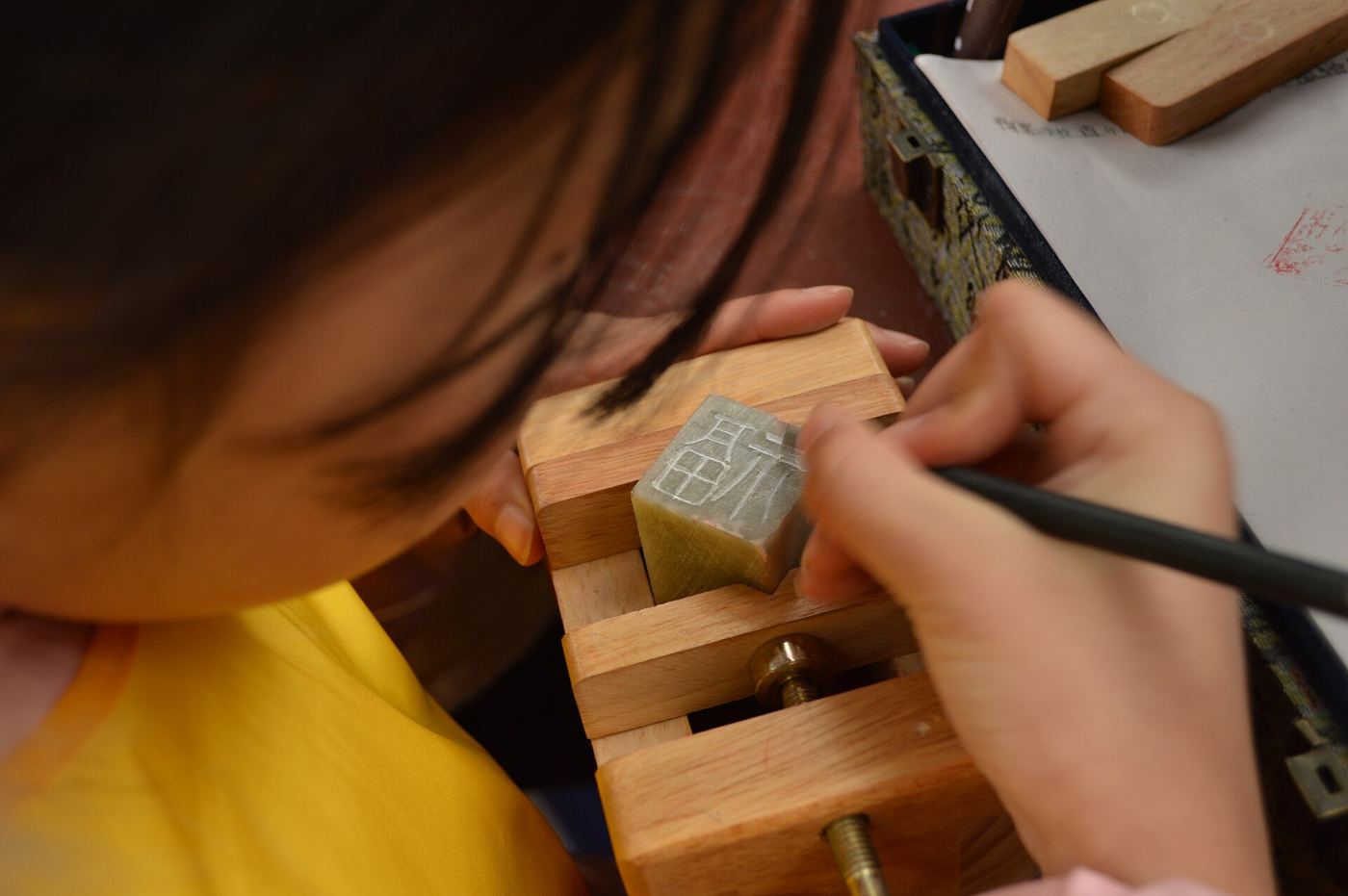
A seal (印章, yìnzhāng) is the most personal souvenir: a craftsman writes your name in Chinese characters (chosen by sound) and carves it into stone in front of you. It usually takes half an hour to an hour, and with the stone and red ink paste you pay about ¥100 (about 58 PLN)–¥300 (about 175 PLN). You'll find carvers on the old streets of every big city, e.g. Liulichang in Beijing (琉璃厂), Jinli in Chengdu and around Yuyuan Garden in Shanghai.
4. Silk
Suzhou and Hangzhou have the most silk – silkworms have been bred there for centuries. A real silk scarf in a proper shop costs about ¥100 (about 58 PLN)–¥300 (about 175 PLN). "Silk" for a few dozen yuan at a market is usually polyester. Real silk feels cool to the touch, and a thread lit with a match smells like burnt hair (synthetics melt into a bead) – good shops will show you.
5. Porcelain
China's most famous porcelain comes from Jingdezhen (景德镇), but bowls, mugs and small plates with blue patterns are sold in every big city, usually for about ¥20 (about 12 PLN)–¥100 (about 58 PLN) each. They look great in the kitchen and weigh little – wrap them in clothes in your hand luggage.
6. Calligraphy brushes and ink
The "four treasures of the study" (文房四宝) – brush, ink, rice paper and inkstone – make a good gift for anyone who draws or paints. A beginner's set costs about ¥50 (about 29 PLN)–¥150 (about 87 PLN). Liulichang street in Beijing has the most shops.
7. Paper cuts, knots, fans and kites
Cheap, light and very Chinese: red paper cuts (剪纸), decorative lucky knots (中国结), paper or silk fans and kites usually cost about ¥10 (about 6 PLN)–¥50 (about 29 PLN). Perfect small gifts for lots of people at once.
8. Qipao and tailor-made clothes
In Shanghai, tailors will make you a qipao (旗袍) or a suit in a few days – the best-known place is the South Bund fabric market (南外滩轻纺面料市场). A made-to-measure suit usually starts at about ¥1,000 (about 583 PLN), depending on the fabric and your haggling. Order early in your stay so there's time for a fitting.
9. Freshwater pearls
China is the world's largest producer of freshwater pearls. The most stalls are at Hongqiao Pearl Market in Beijing (红桥市场), opposite the Temple of Heaven. Prices range from a few dozen yuan for a simple necklace to several thousand – haggling is a must here.
Souvenirs from the cities
10. Pandas from Chengdu
In Chengdu everything comes with pandas: plush toys, mugs, hats and bags. The nicest things are in the shops at the panda base (成都大熊猫繁育研究基地) and in the Kuanzhai Xiangzi lanes (宽窄巷子). A plush panda is the most popular gift for children – about ¥50 (about 29 PLN)–¥200 (about 117 PLN). More: Chengdu: what to see.
11. Museum gift-shop finds
Chinese museums have great gift shops (文创, wénchuàng – "cultural creative products"): bookmarks, notebooks, umbrellas and magnets with designs from the collections. The most famous are those of the Palace Museum in Beijing's Forbidden City, and many museums also sell ice creams shaped like the building or a famous exhibit. They're nicer and more original than market souvenirs.
12. Terracotta warriors from Xi'an
Copies of the clay soldiers range from a dozen yuan for a small figure to several thousand for a life-size one shipped home. Buy at the museum shop or at the stalls outside (haggle there). More: Xi'an: what to see.
Modern China
13. Labubu and Pop Mart figures
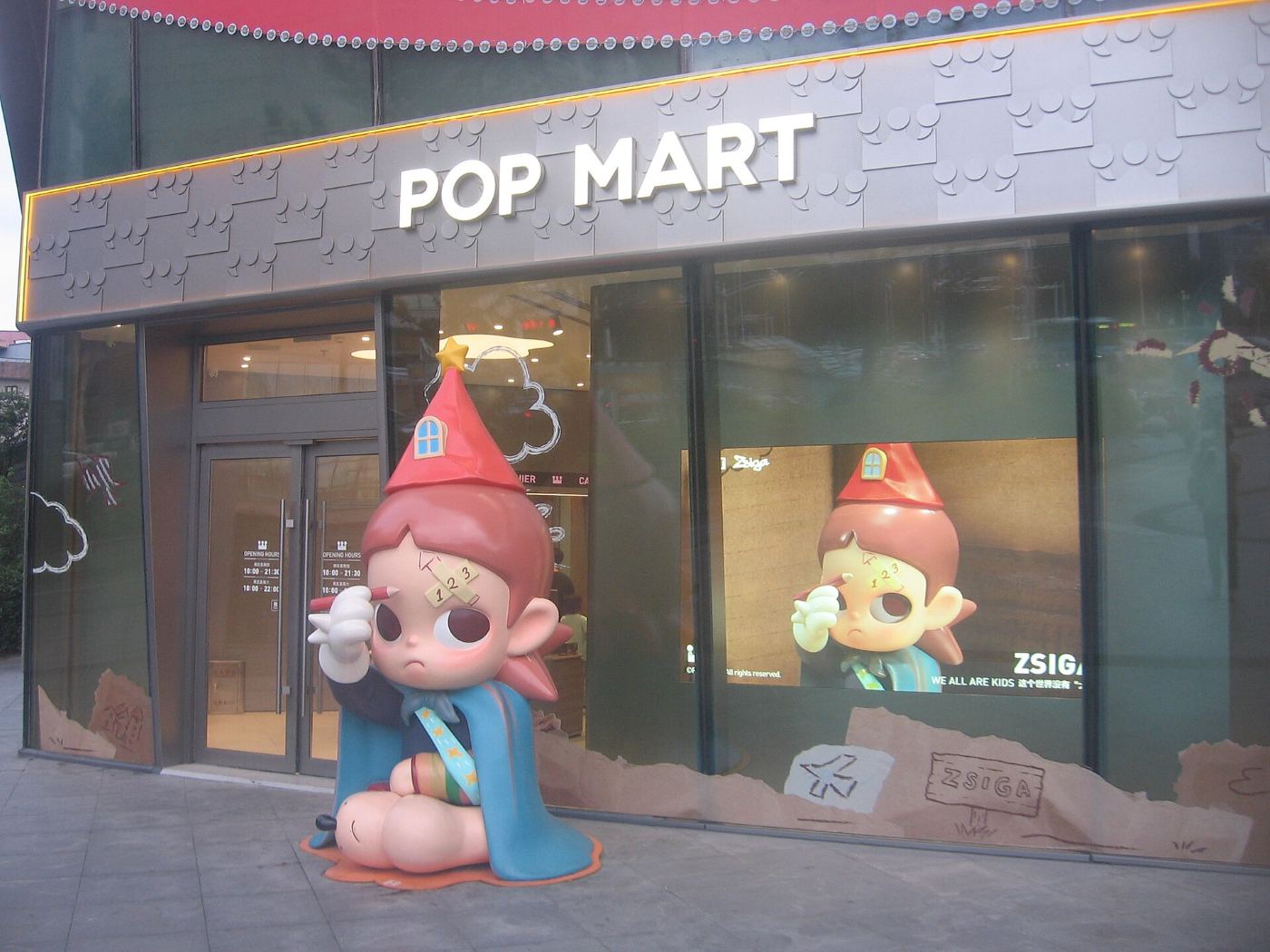
Pop Mart (泡泡玛特) is a Chinese chain selling figures in "blind boxes" (盲盒) – you don't know which character you've got until you open it. The most famous is the furry little monster Labubu, which took the world by storm in 2025. In China there's a Pop Mart in almost every mall, the choice is bigger than in Europe, and a Labubu blind box cost about ¥99 (about 58 PLN) in 2025. Buy only from official Pop Mart shops and vending machines – fakes ("Lafufu") are everywhere.
14. Chinese cosmetics
Chinese beauty brands ("C-beauty") are little known in Europe but popular and affordable in China: Florasis (花西子) with ornate Chinese-style packaging, Perfect Diary (完美日记), and sheet masks sold at Watsons for a few yuan each. Labels are usually only in Chinese – check the ingredients with a translation app.
15. Electronics – be careful
Xiaomi, Huawei or DJI are tempting, but they aren't always cheaper in China than in Europe. Chinese-version phones have no Google services (Play Store, Gmail, Maps), chargers have Chinese plugs, and a Chinese warranty usually doesn't work abroad. Electronics count towards your customs allowance. Power banks can only go in hand luggage, and on domestic flights in China they need a 3C mark (common mistakes in China).
Flavours of China for your suitcase
16. Spices: Sichuan pepper and hotpot base
Sichuan pepper (花椒, huājiāo) from China smells completely different from what you buy at home, and a bag costs a dozen or a few dozen yuan at the market. Another popular gift is hotpot base (火锅底料) – a block of seasoning for making spicy Chongqing-style soup at home. Choose a vegetable-oil base (清油): the beef-tallow kind (牛油) is an animal product you can't bring into the EU.
17. Lao Gan Ma chilli crisp
Lao Gan Ma (老干妈) chilli oil with fermented beans is China's most famous sauce – a jar costs about ¥10 (about 6 PLN)–¥15 (about 9 PLN) in any supermarket. You can find it in Asian shops in Europe, but in China it's several times cheaper and comes in more flavours.
18. Sweets: White Rabbit and mooncakes
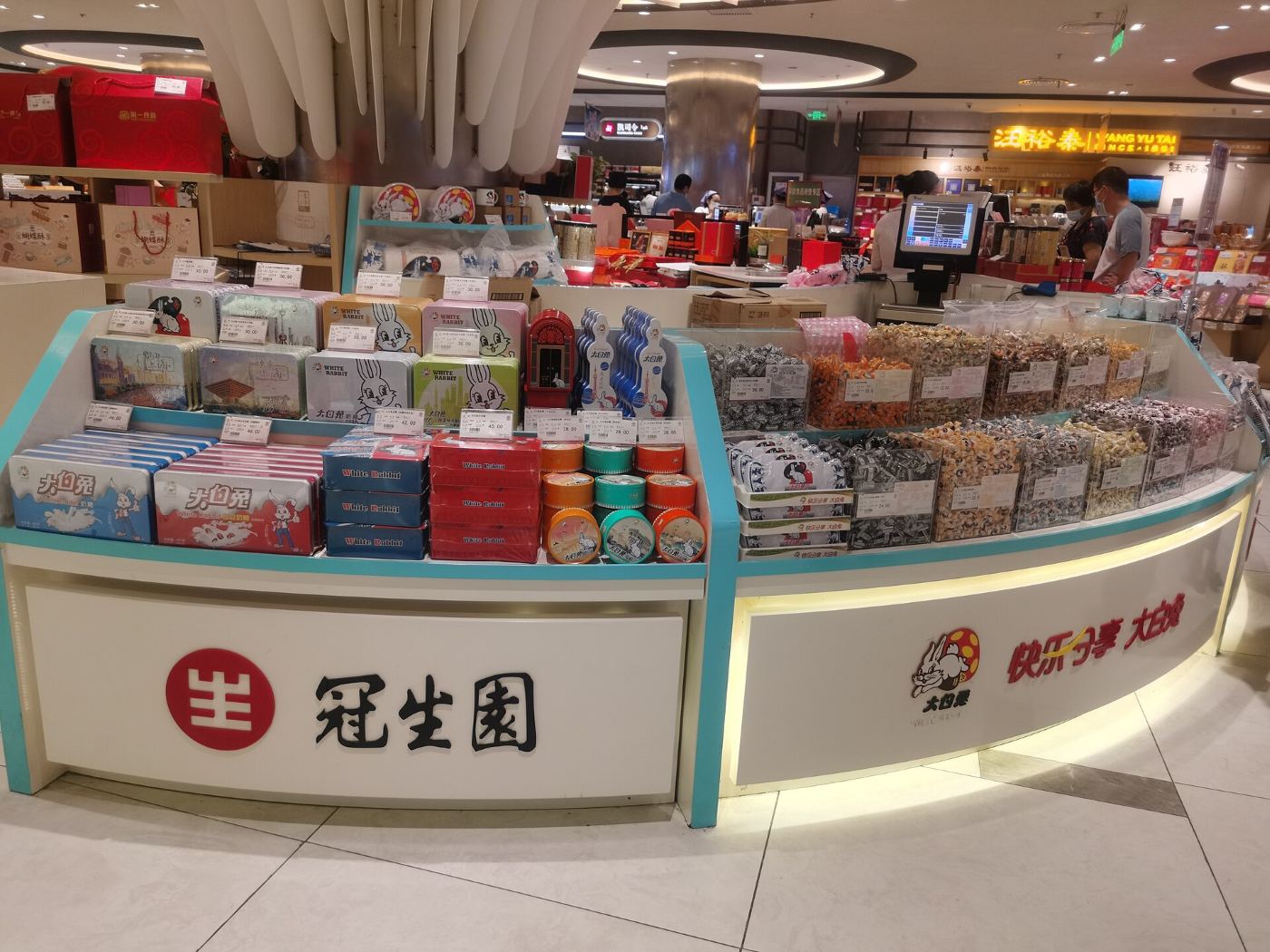
White Rabbit milk sweets (大白兔奶糖), with an extra wrapper of edible rice paper, are a childhood taste for millions of Chinese people and a sweet gift for children. In autumn, before the Mid-Autumn Festival, shops are full of mooncakes (月饼) in ornate boxes – pick ones filled with lotus seed or bean paste, not meat. Sweets and cakes without meat can be brought into the EU freely (as long as they aren't mostly milk or egg).
19. Baijiu
Chinese sorghum liquor (白酒, báijiǔ) is usually 40–53% and has a very strong aroma – a gift for the brave. The most famous and most expensive are Moutai (茅台) and Wuliangye (五粮液), but for a first taste Beijing's Erguotou (二锅头) for a dozen or so yuan will do. Mind the allowance: you can bring only 1 litre of spirits duty-free into the EU.
20. Snacks, noodles and sauces from the supermarket
The cheapest souvenirs come from an ordinary supermarket: snacks in wasabi or spicy crayfish flavour, crisps in flavours you won't find in Europe, Cantonese soy sauce or Shanxi vinegar. Choose instant noodles without chunks of meat inside. Hema (盒马) supermarkets and 7-Eleven or FamilyMart convenience stores are good bets.
Where to shop in China
| City | Where | What to buy |
|---|---|---|
| Beijing | Silk Street (秀水街), Hongqiao Pearl Market (红桥市场), Panjiayuan (潘家园), Liulichang (琉璃厂) | clothes, pearls, "antiques", calligraphy, tea on Maliandao |
| Shanghai | Yuyuan Bazaar (豫园商城), Tianzifang (田子坊), South Bund fabric market | souvenirs, crafts, tailor-made clothes |
| Xi'an | Muslim Quarter (回民街) | snacks, spices, warrior figures |
| Chengdu | Jinli (锦里), Kuanzhai Xiangzi (宽窄巷子) | pandas, Sichuan pepper, hotpot base |
| Hangzhou | Meijiawu village (梅家坞), Longjing | Longjing tea straight from the growers |
| Guangzhou | Fangcun tea market, wholesale markets | tea, anything in bulk (Canton Fair) |
You can pay by phone everywhere: Alipay or WeChat Pay work even at market stalls (how to pay in China). If you stay a few days in one hotel, you can order on Taobao or JD.com for delivery to reception – usually within 1–3 days.
How to haggle
- Haggle only where there are no price tags: at bazaars, markets and stalls. Prices in shops, malls and supermarkets are fixed.
- The first price at tourist markets is often 2–3 times too high. Start at about 30–40% and meet in the middle.
- Type your offer into the calculator – sellers will hand you one anyway. Be friendly, smile and don't rush.
- Walking away is your best argument. If the seller calls you back, the price could go lower.
- Don't haggle if you don't intend to buy. Once the seller accepts your price, you're expected to buy.
In Chinese多少钱? duōshao qián? "how much?", 太贵了 tài guì le "too expensive", 便宜一点 piányi yìdiǎn "a bit cheaper?", 不要了 bú yào le "I don't want it any more".
Tourist VAT refund in China (Tax Free)
As a tourist you can get part of the VAT back on purchases in shops marked "Tax Free" / 离境退税 (department stores and shops selling electronics, tea or souvenirs in big cities):
- Spend at least ¥200 (about 117 PLN) in one shop on one day (the threshold was lowered from 500 ¥ in April 2025).
- Ask for the refund form (退税申请单) – you'll need your passport.
- Many shops pay the refund on the spot (即买即退) – to your card, Alipay or in cash. The shop then holds a deposit on your card.
- At the airport, before checking in your bags, show the goods and the form at the customs counter (海关). The goods must be unused and leave China within 90 days of purchase. Without this confirmation the shop keeps the deposit.
The refund is 11% of the price for most goods (those with 13% VAT), but after the agent's fee you get about 9%. It's worth it for bigger purchases: tea, electronics, silk.
How much you can bring home: EU customs allowances
Flying home from China to the EU, you can bring the following without paying duty, VAT or excise:
| What | Duty-free allowance (by air) |
|---|---|
| Other goods (souvenirs, clothes, electronics, cosmetics) | up to €430 per person |
| Spirits (over 22%, e.g. baijiu) | 1 litre, or 2 litres of alcohol up to 22% (e.g. sparkling wine) |
| Wine | 4 litres |
| Beer | 16 litres |
| Cigarettes | 200 (or 100 cigarillos, 50 cigars, 250 g tobacco) |
| Cash | €10,000 or more must be declared |
Only travellers aged 17 and over get the alcohol and tobacco allowances, and some EU countries have a lower €150 goods limit for children under 15. You can't pool allowances: an item worth €600 can't be split between two people. If you're over the limit, use the red channel ("goods to declare") – you'll pay duty and VAT on the items that don't fit into the allowance. Customs may ask for receipts. Outside the EU (e.g. the UK or the US) the allowances are different – check your own customs website.
What you can't bring into the EU
- Meat and dairy – including packaged items such as dried beef (牛肉干), sausages or tallow-based hotpot base. Exceptions include infant formula and honey (up to 2 kg).
- Fresh fruit, vegetables, flowers, plants and seeds – since 2019 they need a phytosanitary certificate. Without one, only bananas, pineapples, coconuts, dates and durians are allowed. Dried fruit and tea are processed products – fine.
- Counterfeit branded goods – customs can seize them, and larger quantities are a criminal matter. That includes fake Labubu.
- Protected species (CITES): ivory, coral, reptile-skin products and some traditional Chinese medicines that contain such ingredients.
- Genuine antiques: China doesn't allow antiques made before 1911 to leave the country without a special permit with a seal. "Antiques" at markets are usually copies – which is good, because copies can be taken out.
TipChina has limits too: without declaring it, you can bring in or take out up to ¥20,000 (about 11654 PLN) in cash or the equivalent of USD 5,000 in foreign currency.
Getting your shopping home
- Liquids over 100 ml (alcohol, sauces, chilli oil) go in checked luggage only. Wrap glass in clothes and put it in a zip-lock bag.
- Porcelain and teapots are safer in hand luggage – they break easily in the hold.
- Tea is light but bulky: pressed pu-erh cakes are flat, and for loose tea ask for vacuum packing (真空包装) – most shops do it on the spot.
- Check your airline's baggage allowance before you start shopping. Extra bags at the airport are expensive.
- Shipping by post (China Post, EMS) is possible but expensive and slow – only worth it for larger items, such as a warrior figure from Xi'an.
Frequently asked questions
What is the best souvenir to buy in China?
Tea from a tea market, a seal with your name in Chinese, a silk scarf, a Yixing teapot or a gaiwan, a panda from Chengdu or a Labubu figure from Pop Mart. For foodies: Sichuan pepper, Lao Gan Ma chilli crisp and White Rabbit sweets.
How much can I bring back from China duty-free?
Into the EU by air: goods worth €430 per person, 1 litre of spirits (or 2 litres of weaker alcohol), 4 litres of wine, 16 litres of beer and 200 cigarettes. Alcohol and tobacco only for travellers aged 17 and over. Items over the limit are subject to duty and VAT.
Can I bring tea back from China?
Yes. Tea is a processed plant product, so you don't need any certificate. It counts towards your €430 allowance, and with large amounts customs may ask whether it's really for personal use.
Can I bring fakes back from China?
Better not. Customs can seize counterfeit branded goods, and larger quantities (e.g. several identical handbags) look like goods for sale and can lead to criminal charges. That includes fake Labubu figures.
Are electronics cheaper in China?
Not always. Prices of Xiaomi, Huawei or DJI in China are often similar to European ones, and Chinese versions have different software (no Google services), Chinese plugs and a warranty valid only in China. Electronics also count towards your customs allowance.
What can I bring back from China for children?
A plush panda from Chengdu, a Pop Mart figure, a kite, paper lanterns, White Rabbit sweets or a seal with the child's name in Chinese – kids love them.
Can I get VAT back in China?
Yes, in "Tax Free" shops when you spend at least 200 ¥ in one shop on one day. You get about 9% of the price, often straight away in the shop, but at the airport you must show the goods and the form at the customs counter before checking in your bags.
Sources
- Your Europe: alcohol, tobacco and allowances for travellers from outside the EU (checked 21.09.2026) and Polish Ministry of Finance: allowances for travellers from third countries
- European Commission: personal imports of animal products and Austrian Ministry of Finance: plants and fruit from outside the EU
- Shanghai government: new departure tax refund rules (April 2025) and China Daily: instant tax refunds (2025)
- China's National Immigration Administration: cash on entry and exit and The Standard: Labubu prices
- Tea prices from our article Tea in China; photos from Wikimedia Commons (authors and licences in the captions)
Shopping in our itineraries
Our itineraries list shopping spots in every city with addresses in Chinese for the taxi driver: tea markets, craft streets and the best souvenir shops along the way. You'll pass seal carvers, silk and tea in China's Golden Triangle+ (Beijing, Xi'an, Shanghai), and pandas, Sichuan pepper and hotpot base in our Sichuan itineraries, e.g. Spicy Chengdu. See all our China itineraries.