Destinations and inspiration · 15 min read
Chengdu in 2–4 days: pandas, teahouses and spicy food
In short: Chengdu, the capital of Sichuan, is a city of about 21 million people that lives at a slower pace than the rest of China: tea in the park, mahjong and dinner around a hotpot. People come for the giant pandas, the teahouses, face-changing opera and Sichuan food, which made Chengdu the first city in Asia to join UNESCO's network of Cities of Gastronomy. The city itself needs 2–3 days, or 5–6 days with the Leshan Giant Buddha or Mount Emei. The one thing to sort out before you go: a panda base ticket, booked in your name with your passport, up to 14 days ahead. Pandas are only active in the morning, so be there at opening time. The best time to visit is spring (March–May) or autumn (September–November).
What surprised us most in China was its diversity, both cultural and culinary. In Chengdu you taste it: Sichuan food, with peppercorns that make your tongue pleasantly numb, is nothing like the "Chinese food" we know back home.
Correct as of 14 October 2026. Check ticket prices and booking rules before you travel. Amounts in yuan are converted at the National Bank of Poland rate into the currency you pick in the site menu.
What to see in Chengdu: 10 places
1. The Giant Panda Breeding Research Base
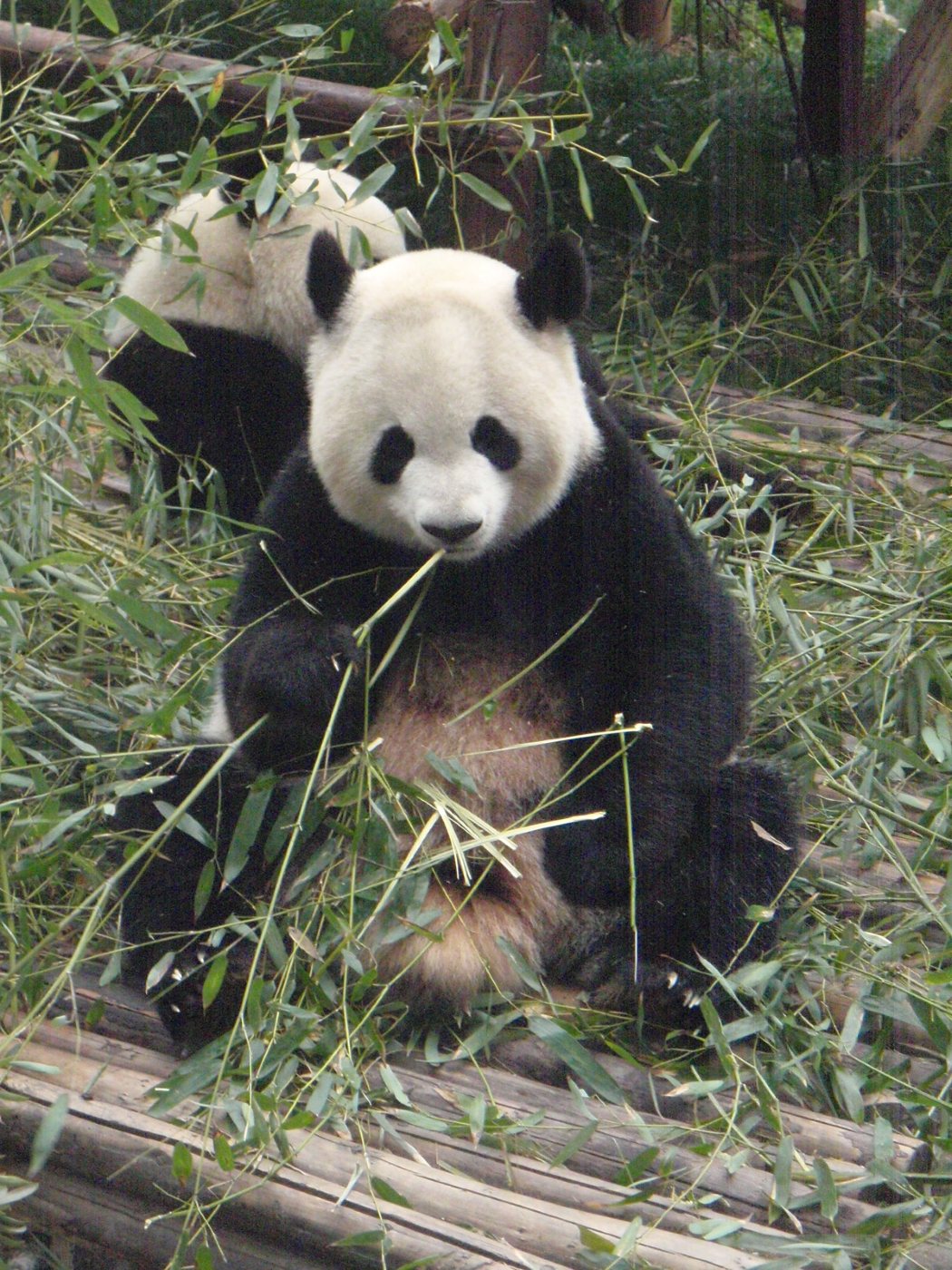
Founded in 1987 with six pandas rescued from the wild, it's now Sichuan's biggest attraction: giant pandas in bamboo enclosures, a "nursery" with cubs, and red pandas. Pandas are active in the morning, at feeding time, and mostly sleep after about 10:30, so arrive at opening: entry from 7:30 between March and October, from 8:00 between November and February. A ticket costs ¥55 (about 32 PLN). The grounds are big, and an electric cart runs around them (about ¥10 (about 6 PLN)). Allow 3–4 hours.
NoteTickets are in your name, sold online only, up to 14 days ahead, with a daily cap. Trip.com is the easiest way to buy them (the official WeChat mini program often rejects foreign phone numbers and cards). Your passport is scanned at the entrance, so bring the one the ticket was booked with.
Getting there: a taxi or DiDi from the centre takes about 30 minutes for ¥40 (about 23 PLN)–¥50 (about 29 PLN). Cheaper: metro line 3 to Panda Avenue (熊猫大道), exit A, then bus 408 to the South Gate for ¥2 (about 1 PLN).
2. People's Park and Heming Teahouse
The best place to see how Chengdu lives. At Heming Teahouse (鹤鸣茶社) you sit in bamboo chairs among locals playing mahjong; tea costs ¥20 (about 12 PLN)–¥40 (about 23 PLN), with hot water topped up as often as you like. For a few dozen yuan you can have your ears cleaned – a local speciality with metal tweezers and a tuning fork. The park also has a "marriage market", where parents hang up ads for their unmarried children. Free entry.
3. Kuanzhai Alley
Three parallel restored Qing-dynasty lanes – Wide, Narrow and Well Alley – with grey courtyard houses, little shops and snacks. Touristy but pleasant, especially in the afternoon. Free entry. Right next door, on Kuixinglou Street (奎星楼街), there are plenty of small restaurants where locals eat.
4. Wenshu Monastery
Chengdu's most important Buddhist monastery, with over a thousand years of history and buildings rebuilt in the late 17th century: quiet courtyards, incense, a teahouse and an excellent, cheap vegetarian canteen (文殊院香积厨). Free entry. The lanes around the monastery are full of snacks.
5. Wuhou Shrine and Jinli Street
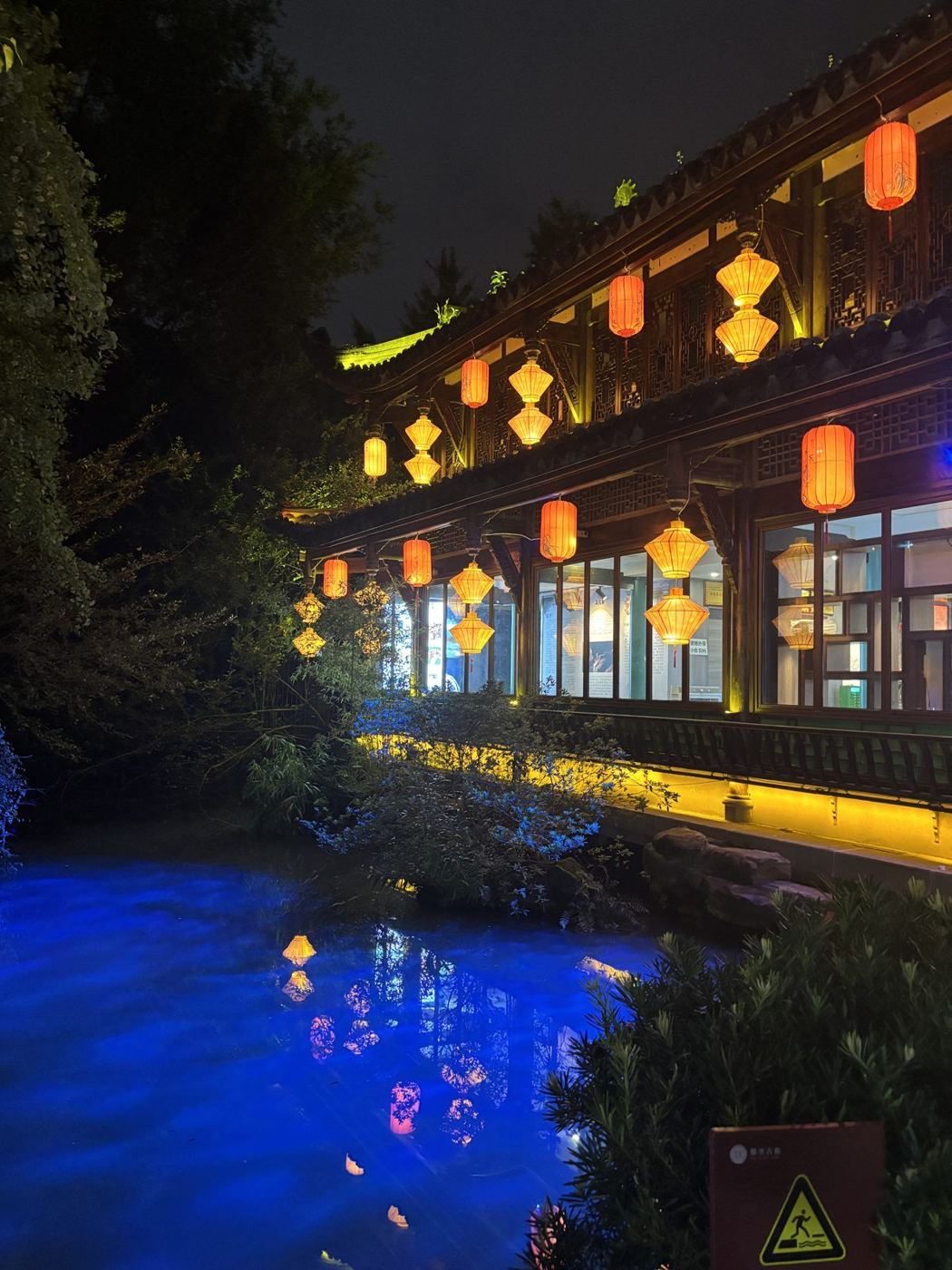
A shrine dedicated to Zhuge Liang, the legendary strategist of the Three Kingdoms era, with the tomb of Emperor Liu Bei. The most famous photo spot is the path between red walls and bamboo. A ticket costs ¥50 (about 29 PLN), open 9:00–18:00. Right next to it begins Jinli Street (锦里), with lanterns, snacks and crafts, prettiest after dark (free).
6. Sichuan opera and face-changing
Sichuan opera's signature act is bian lian (变脸): performers switch masks in a split second, and audiences still can't work out how. Add shadow puppets, erhu music and puppetry. Shows for visitors last about 1.5 hours. The best known is the Shufeng Yayun theatre (蜀风雅韵) in the Culture Park, starting around 8 pm, tickets ¥180 (about 105 PLN)–¥380 (about 221 PLN) – buy them the day before. Some teahouses also put on a shorter face-changing show.
7. Chunxi Road, Taikoo Li and the IFS panda
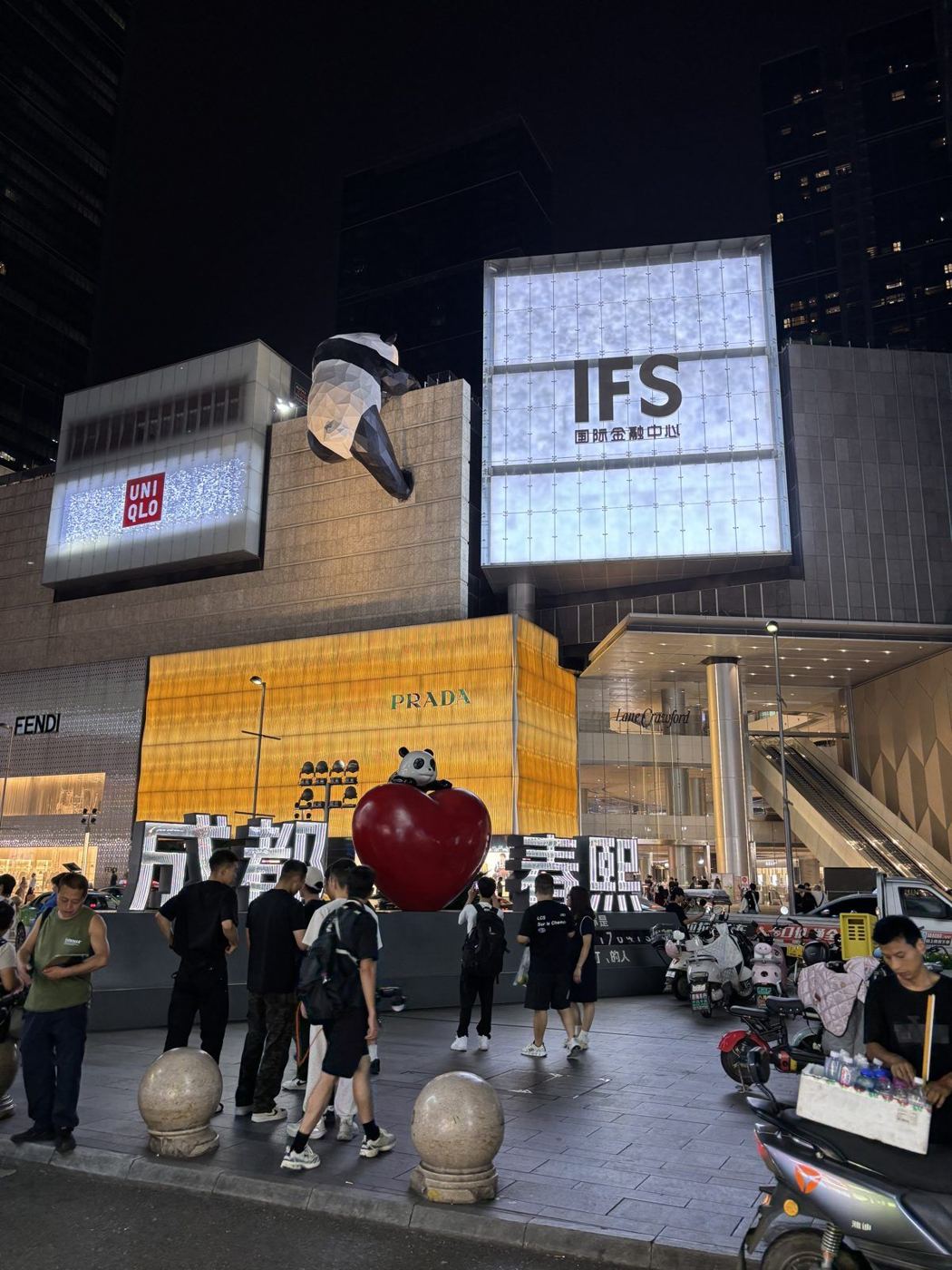
Modern Chengdu: Chunxi Road's shopping street, the Taikoo Li district of low, traditional-style buildings around Daci Temple, and the IFS mall, with a roughly 15-metre panda climbing its façade. Best in the evening, when everything is lit up.
8. Du Fu Thatched Cottage and Sichuan Museum
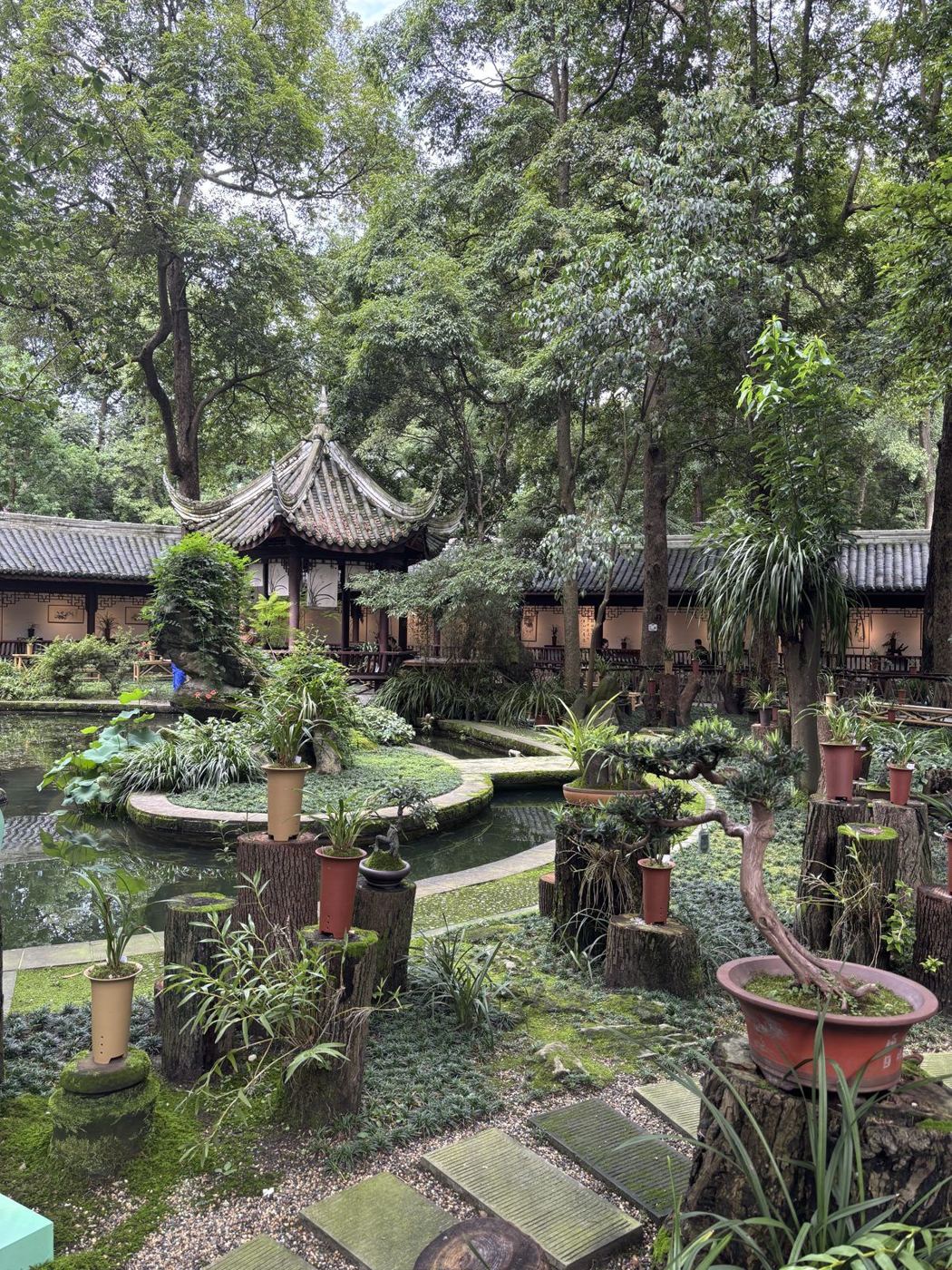
A park of bamboo and ponds around a reconstruction of the cottage of Du Fu, one of the greatest poets of the Tang dynasty, who lived here in the 8th century and wrote over 200 poems in Chengdu. Calm and green, ticket ¥50 (about 29 PLN). Next door is the free Sichuan Museum (四川博物院) – book online with your passport; closed on Mondays.
9. Qingyang Temple and Wangjianglou Park
Qingyang (青羊宫) is Chengdu's oldest Taoist temple: incense, bronze goats that people rub for luck and monks in traditional robes (ticket ¥10 (about 6 PLN)). Wangjianglou Park (望江楼公园) on the Jin River has hundreds of bamboo varieties and a tower dedicated to the Tang poet Xue Tao (free or a token fee).
10. The Jin River at night
In the evening, walk to the lit covered Anshun Bridge (安顺廊桥) and the riverside around Jiuyanqiao (九眼桥): bars, live music and views of the illuminated towers. It's a short walk from there to a chuan chuan dinner.
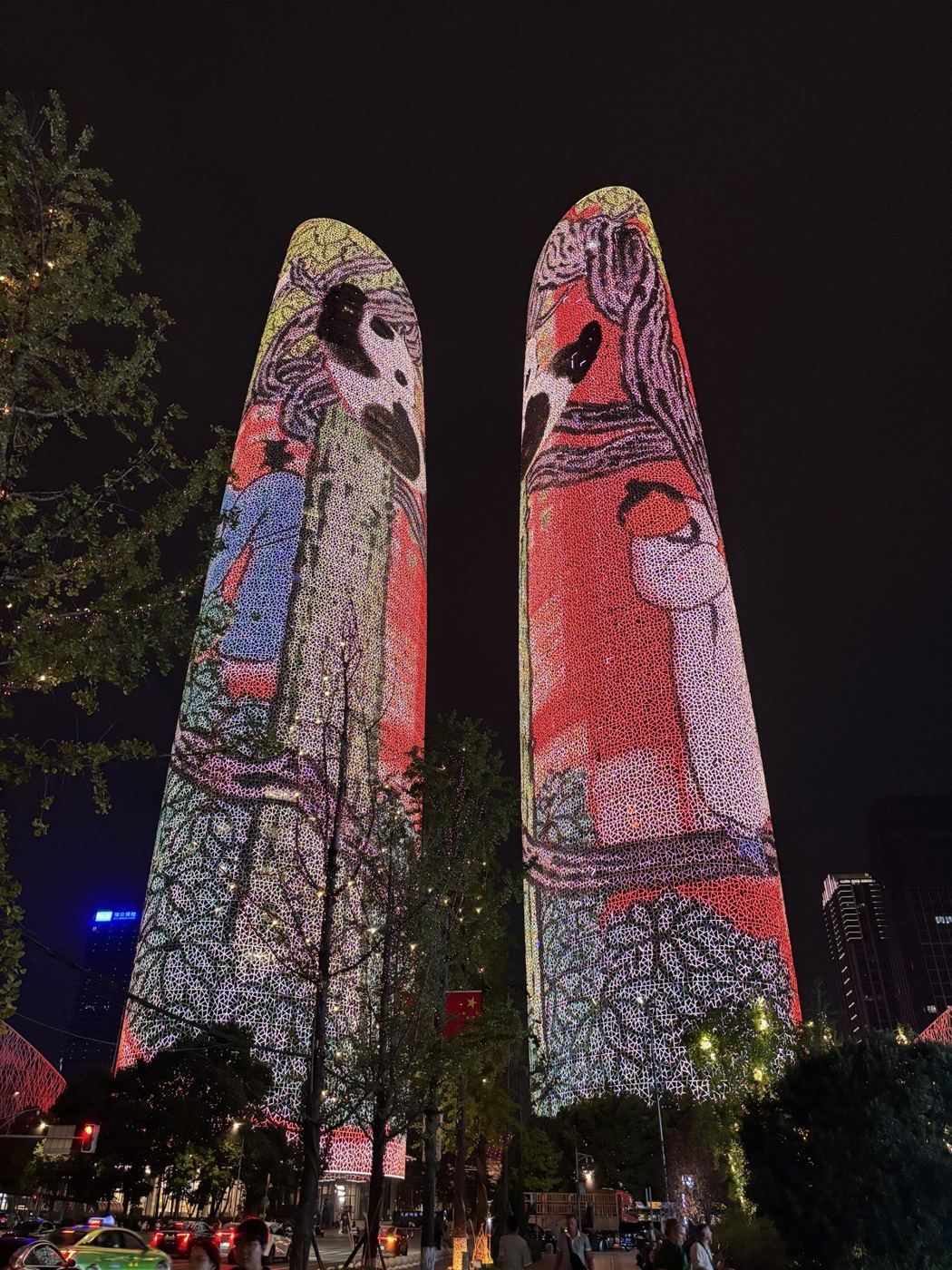
In the evening it's also worth heading to the Jiaozi financial district (交子金融城): the facades of the twin Tianfu Towers (天府双塔) turn into giant screens, with pandas among the images.
NoteThe Jinsha Site Museum (金沙遗址博物馆), home of the Golden Sun Bird, Chengdu's symbol, is closed until 30 April 2027 for a major renovation. Some of its finds are on show in other museums in the meantime, and the best place to see the ancient Shu civilisation is the Sanxingdui Museum outside Chengdu (below).
Day trips from Chengdu
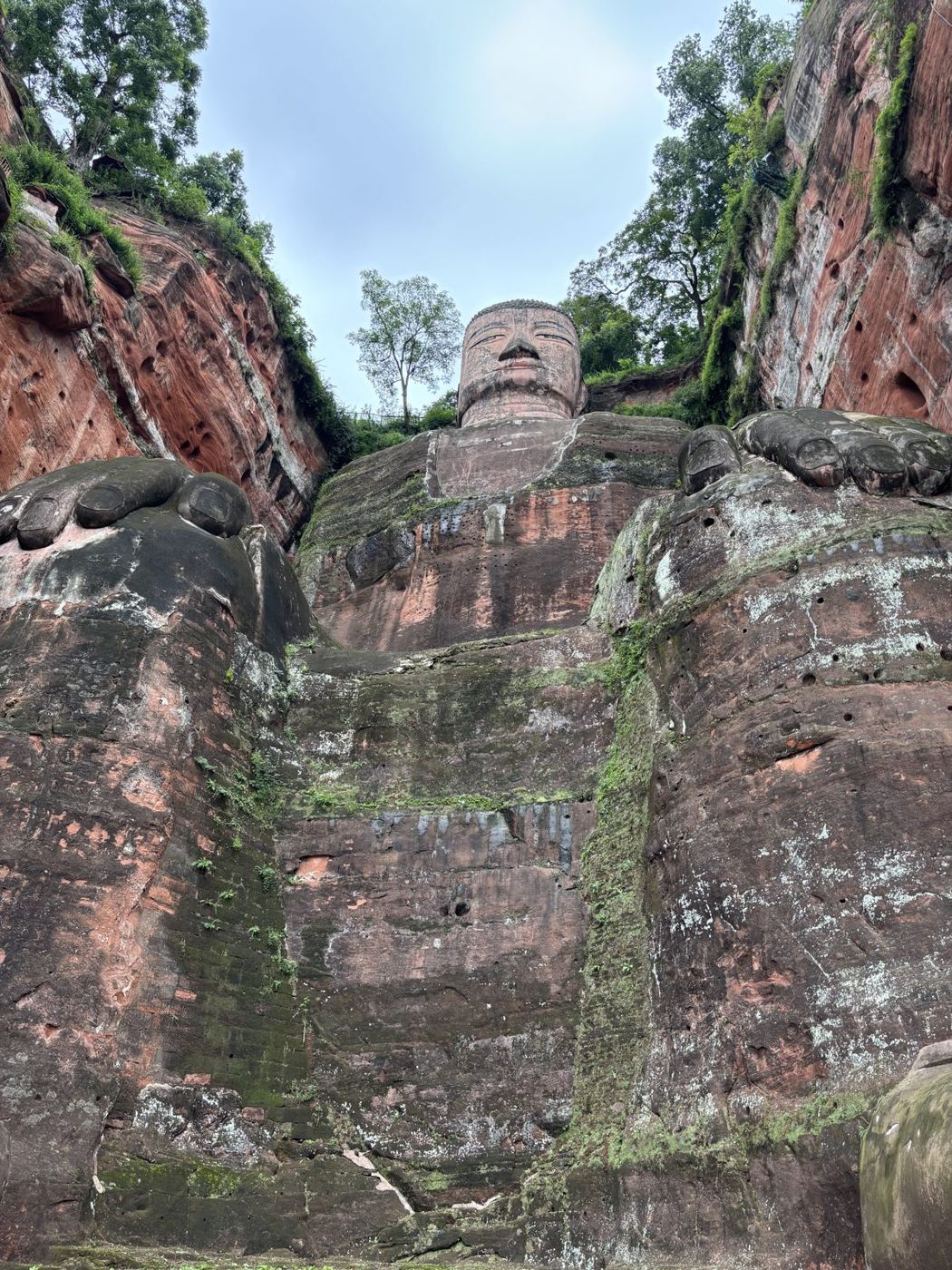
- The Leshan Giant Buddha: a 71-metre statue carved into a cliff in the 8th century, where three rivers meet – the largest stone Buddha in the world (UNESCO). By train from Chengdu East or Chengdu South in about an hour for ¥50 (about 29 PLN)–¥70 (about 41 PLN) (Chengdu to Leshan by train), then 20 minutes by taxi. A ticket costs ¥80 (about 46 PLN), and a boat trip past the statue ¥70 (about 41 PLN). Head for the stairs beside the statue as soon as you're in – the queue grows by the hour.
- Mount Emei: one of the four sacred mountains of Chinese Buddhism, with the Golden Summit at 3,079 m and a 48-metre golden statue of Samantabhadra. 15–20 minutes by train from Leshan, 1–1.5 hours from Chengdu. Entry ¥160 (about 93 PLN) in season (¥110 (about 64 PLN) in winter), park bus about ¥90 (about 52 PLN) return, cable car to the summit about ¥65 (about 38 PLN). Best with a night on the mountain and sunrise over a sea of clouds. Watch out for monkeys that grab food.
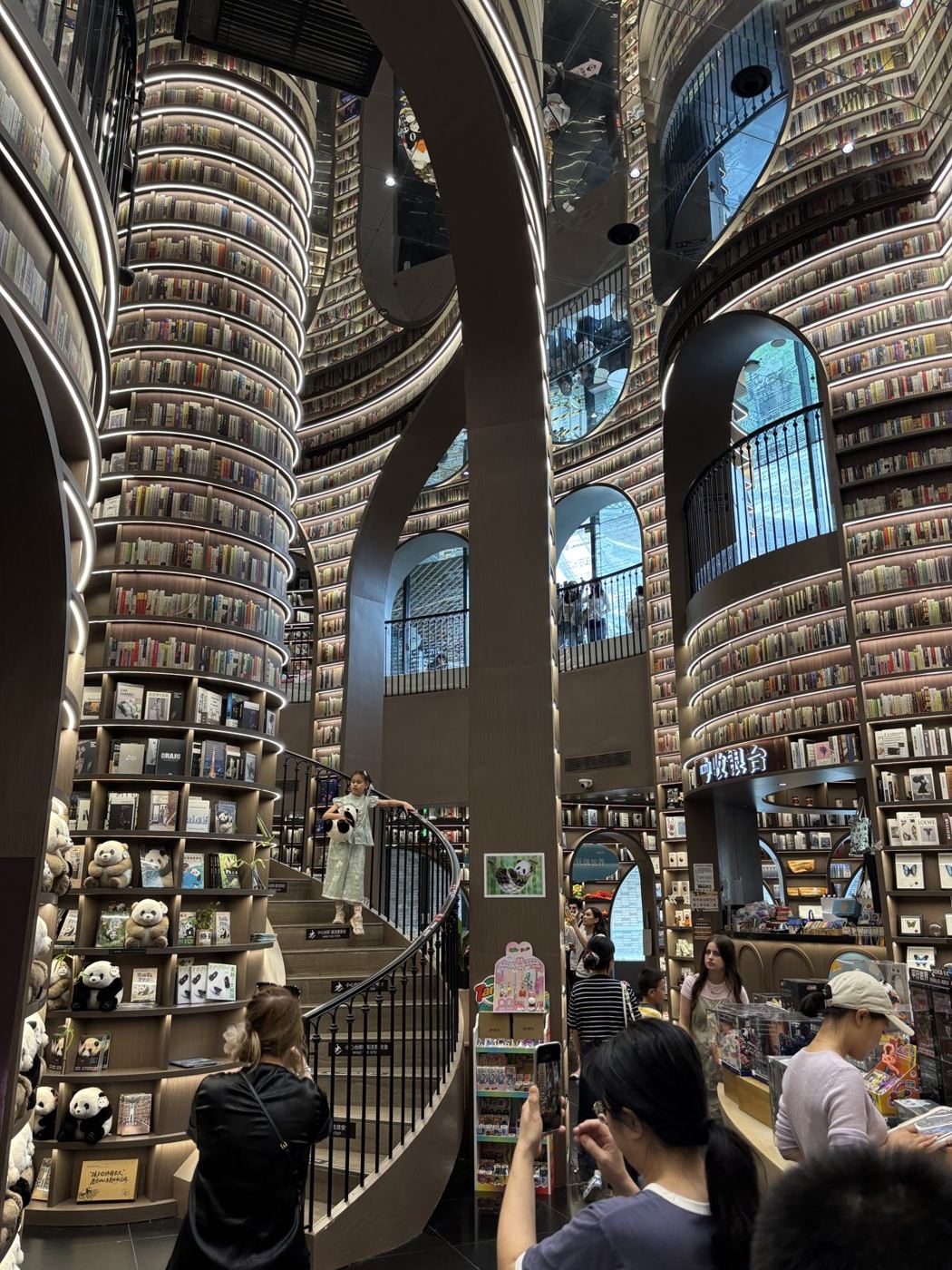
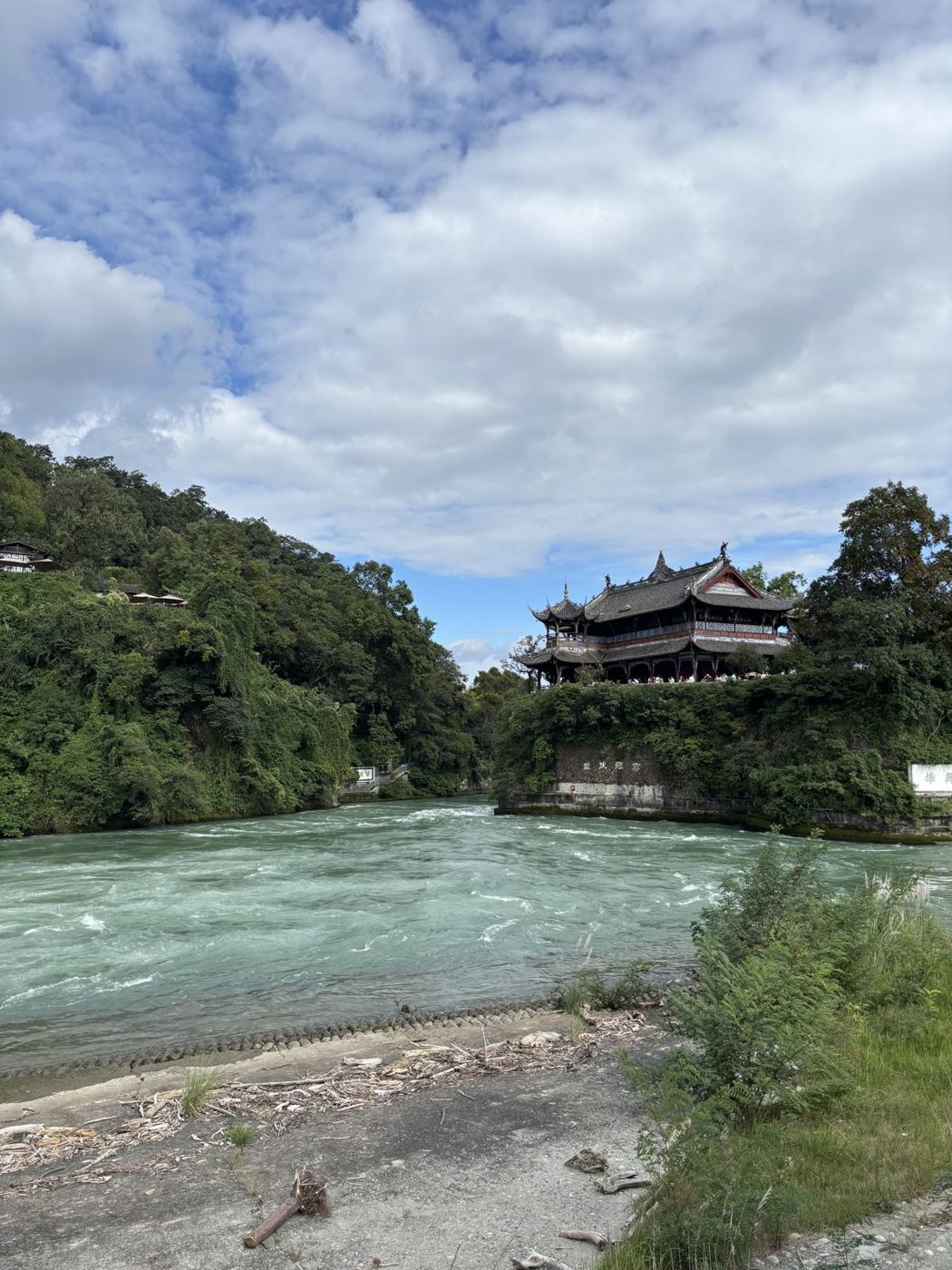
- Dujiangyan and Mount Qingcheng: an irrigation system from the 3rd century BC that still splits the Min River in two, and a forested mountain that's one of the birthplaces of Taoism – both UNESCO-listed. 30–45 minutes by suburban train, tickets about ¥80 (about 46 PLN) each. The town of Dujiangyan also has one of China's most beautiful bookshops, Zhongshuge.
- Sanxingdui: a museum of bronze masks with bulging eyes and a 4-metre "tree of life" – traces of a civilisation from over 3,000 years ago, unlike anything else in China. 20–40 minutes by train to Guanghan, then a taxi; ticket about ¥72 (about 42 PLN), booking with your passport.
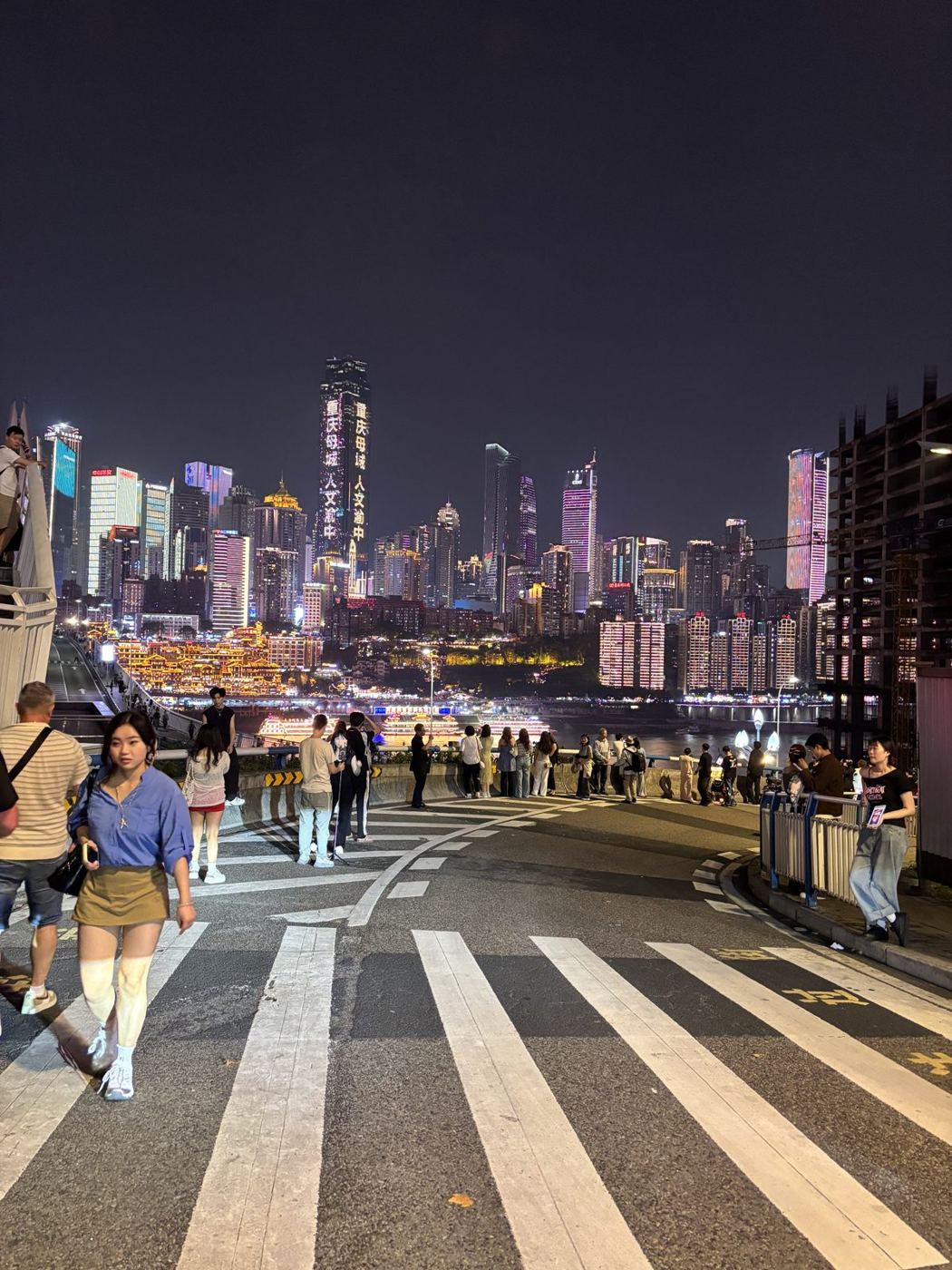
- Chongqing: the futuristic hillside city is 1–1.5 hours from Chengdu by high-speed train (Chengdu to Chongqing by train, what to see in Chongqing).
- Jiuzhaigou: turquoise lakes and waterfalls in the mountains of northern Sichuan, about 2–2.5 hours by train plus 1.5 hours by road (Chengdu to Jiuzhaigou by train). You need at least 2 days for it.
Tickets and bookings: what to buy before you go
| Place | Price | How to buy |
|---|---|---|
| Panda base | ¥55 (about 32 PLN) | online up to 14 days ahead, passport |
| People's Park, Kuanzhai Alley, Wenshu, Jinli | free | – |
| Wuhou Shrine | ¥50 (about 29 PLN) | on site or online, passport |
| Sichuan opera (Shufeng Yayun) | ¥180 (about 105 PLN)–¥380 (about 221 PLN) | the day before, online or at the box office |
| Du Fu Thatched Cottage | ¥50 (about 29 PLN) | on site or online |
| Sichuan Museum | free | booking with passport; closed Mondays |
| Qingyang Temple | ¥10 (about 6 PLN) | on site |
| Leshan Giant Buddha | ¥80 (about 46 PLN) + boat ¥70 (about 41 PLN) | online or on site, passport |
| Mount Emei | ¥160 (about 93 PLN) (winter ¥110 (about 64 PLN)) + bus and cable car | online or on site, passport |
| Dujiangyan, Qingcheng | about ¥80 (about 46 PLN) each | online or on site |
| Sanxingdui | about ¥72 (about 42 PLN) | booking with passport |
TipAlmost all tickets in China are in your name, tied to your passport number, and the document is scanned at the entrance. Bring the same passport you booked with. Online payments are easiest with Alipay or WeChat Pay linked to your card (how to pay in China).
How many days in Chengdu
- 2 days: day one People's Park, Kuanzhai Alley and the opera; day two pandas in the morning, then Wenshu, Wuhou, Jinli and an evening on Chunxi Road.
- 3–4 days: add Du Fu Thatched Cottage, Qingyang, Wangjianglou and the river at night, or a day trip to Leshan.
- 5–6 days: Chengdu, Leshan and Emei with a night on the mountain, or Dujiangyan and Mount Qingcheng.
In our Spicy Chengdu itinerary the city gets 4 days (3 nights); in the itineraries with Leshan and Emei, Chengdu gets 2 full days.
What to eat in Chengdu
Sichuan food is all about mala (麻辣): hot chilli (辣, là) and Sichuan pepper (麻, má), which tingles and slightly numbs your tongue. You order the heat level separately: 微辣 (wēi là) means "mildly spicy" and is plenty for most Europeans, while 不要辣 (bú yào là) means "not spicy".
- Hotpot (火锅): a bubbling broth, red with chilli, in which you cook meat and vegetables yourself. Start with a split pot (鸳鸯锅) – half spicy, half mild. Popular chains include Shu Daxia (蜀大侠) and Xiaolongkan (小龙坎); expect about ¥100 (about 58 PLN) per person.
- Chuan chuan (串串): skewers cooked in broth – you pay by the number of sticks, for example at Yulin Chuanchuan Xiang (玉林串串香).
- Mapo tofu (麻婆豆腐): tofu in a spicy sauce with minced meat, for example at Chen Mapo Doufu (陈麻婆豆腐), where it was supposedly invented.
- Dandan noodles (担担面) and Zhong dumplings (钟水饺) in a sweet and spicy sauce. Our favourite home-style noodles in Chengdu are at Liao Desheng (廖德盛家常面) in Wuhou district.
- Fuqi feipian (夫妻肺片): cold beef and offal in chilli oil.
- Bingfen (冰粉): for dessert, a jelly with brown sugar syrup that cools the heat.
More on Sichuan food: There is no such thing as Chinese food – a flavour map of China.
Getting there and getting around
- From the airport: Chengdu has two airports. International flights mostly land at the new Tianfu Airport (TFU), about 50 km from the centre: metro line 18 to Chengdu South station, then line 1, takes 60–75 minutes for ¥10 (about 6 PLN)–¥20 (about 12 PLN); a taxi takes 60–90 minutes for ¥150 (about 87 PLN)–¥200 (about 116 PLN). From the older Shuangliu Airport (CTU), metro lines 10 and 3 get you to the centre in about 45 minutes. More on choosing your arrival airport: First time in China.
- By train: high-speed trains leave mainly from Chengdu East (成都东站) and Chengdu South (成都南站): to Chongqing in 1–1.5 hours, to Leshan in about an hour, to Xi'an in about 3–4 hours (what to see in Xi'an). Check the station name on your ticket.
- Metro: fast, cheap (¥2 (about 1 PLN)–¥8 (about 5 PLN)) and signposted in English; pay with an Alipay QR code (乘车码). The key lines are 1 (north–south via Tianfu Square), 2 (east–west via Chunxi Road), 3 (to the pandas) and 18 (to Tianfu Airport). There's a bag check at every entrance.
- Taxis and DiDi: cheap and convenient, especially for the early run to the panda base. Show the driver the address in Chinese (China without Google Maps).
Where to stay in Chengdu
The most convenient base is Chunxi Road and Taikoo Li: central, two metro lines (2 and 3), endless food and close to everything. It's quieter and more atmospheric around Kuanzhai Alley or Tianfu Square. For the last night before an early flight from Tianfu, pick a hotel on line 18, for example by Chengdu South station. When booking, check that the hotel accepts foreigners (common mistakes in China).
When to visit Chengdu
The best months are March to May and September to November: about 23°C by day in April and 21°C in October. Summers are hot and humid (about 31°C in July), and July and August are the wettest months. Winters are cool but frost-free (around 10°C by day and 3°C at night in January). Chengdu's sky is overcast for much of the year – an old saying goes that Sichuan dogs bark at the sun because they see it so rarely. Pandas are best seen on cooler days; in the heat they barely move. Avoid public holidays (1–7 October and early May). More: When is the best time to visit China?
Chengdu in our itineraries
| Itinerary | Days | Route |
|---|---|---|
| Spicy Chengdu | 4 | Chengdu |
| Pandas, Buddha & a Sea of Clouds | 6 | Chengdu → Leshan → Emei → Chengdu |
| Cyberpunk & Pandas | 8 | Chongqing → Chengdu → Leshan → Emei |
| Sichuan Deluxe | 14 | Chengdu → Jiuzhaigou → Chongqing → Zhangjiajie → Chongqing |
In every itinerary Chengdu is planned hour by hour: from the metro out of Tianfu Airport, through pandas in the morning, tea in People's Park and face-changing opera, to dinners at tried-and-tested places, with ticket prices and addresses in Chinese. Spicy Chengdu also includes a list of 30 places to eat.
Frequently asked questions
How many days do you need in Chengdu?
Two days are enough for the pandas, People's Park, Kuanzhai Alley, Wenshu, Wuhou and the opera. Three or four days let you slow down and add Du Fu Thatched Cottage or a day trip to the Leshan Giant Buddha. With Mount Emei, plan 5–6 days.
How can I see pandas in Chengdu?
The best place is the Giant Panda Breeding Research Base, about 30 minutes from the centre. Buy a ticket online with your passport (up to 14 days ahead, ¥55 (about 32 PLN)) and be there at opening, 7:30 (8:00 in winter): pandas are active at morning feeding time and mostly sleep after about 10:30.
Is the food in Chengdu very spicy?
It can be, but you can manage it. Order 微辣 (mildly spicy) or 不要辣 (not spicy), and in a hotpot go for a split pot with a mild broth. Plenty of dishes, such as wontons, steamed buns or rice balls, aren't spicy at all.
Chengdu or Chongqing?
Ideally both, as they're only 1–1.5 hours apart by high-speed train. Chengdu means pandas, teahouses and a slower pace; Chongqing, a futuristic hillside city and the fieriest hotpot. More: Chongqing – the most cyberpunk city in the world.
Are Leshan and Mount Emei worth it?
Yes, if you have at least 5 days. The Leshan Giant Buddha is an easy day trip (an hour by train), and Mount Emei with a night on the summit and sunrise over the clouds is one of the most beautiful experiences in Sichuan. Our Pandas, Buddha & a Sea of Clouds itinerary combines both.
Do I need a visa for Chengdu?
Citizens of 50 countries, including most of the EU, the UK, Canada and Australia, can enter China visa-free for up to 30 days under a scheme that runs until 31 December 2026. US citizens can use the 240-hour visa-free transit or get a visa. Details and current rules: China visa-free.
Sources
- Chengdu Research Base of Giant Panda Breeding: tickets and getting there (official site)
- China News Service: Jinsha Site Museum closure notice, 5 Dec 2025 – 30 Apr 2027 (in Chinese)
- Chuanguan News: the Tianfu Towers light show (3 May 2026, in Chinese)
- Wanderinchina: Leshan Giant Buddha (2026) and Wuhou Shrine (2026)
- Wikipedia: Chengdu, Leshan Giant Buddha, Mount Emei and Dujiangyan
- Climate: China Meteorological Administration, 1991–2020 averages (as in When is the best time to visit China?)
- Our Chengdu itineraries (as of October 2026) and our own photos from Chengdu, Leshan and Dujiangyan; panda photo from Wikimedia Commons
Chengdu in a ready-made itinerary
In our itineraries Chengdu is planned hour by hour: from the metro out of the airport, through pandas in the morning and tea among the locals, to face-changing opera and hotpot, with ticket prices, recommended restaurants and addresses in Chinese for the taxi driver. See Spicy Chengdu or Pandas, Buddha & a Sea of Clouds.