Problems and tips · 13 min read
Is China safe to visit? Crime, scams, laws and health
In short: yes, China is one of the safest countries for tourists. Poland's foreign ministry gives it the lowest warning level, "normal precautions", and the UK says serious crime against foreigners is relatively rare. According to UN data there are fewer homicides in China than in most of Europe and more than ten times fewer than in the US, and muggings and theft are rare. What you do need to watch out for is something else: tourist scams (the "tea ceremony" invitation, unmetered taxis), traffic (silent e-scooters, cars turning on red) and strict laws: drugs (including testing on arrival), protests, photographing the military and drones. Health-wise, drink only boiled or bottled water, take care at altitude and get insurance, because medical care for foreigners is expensive.
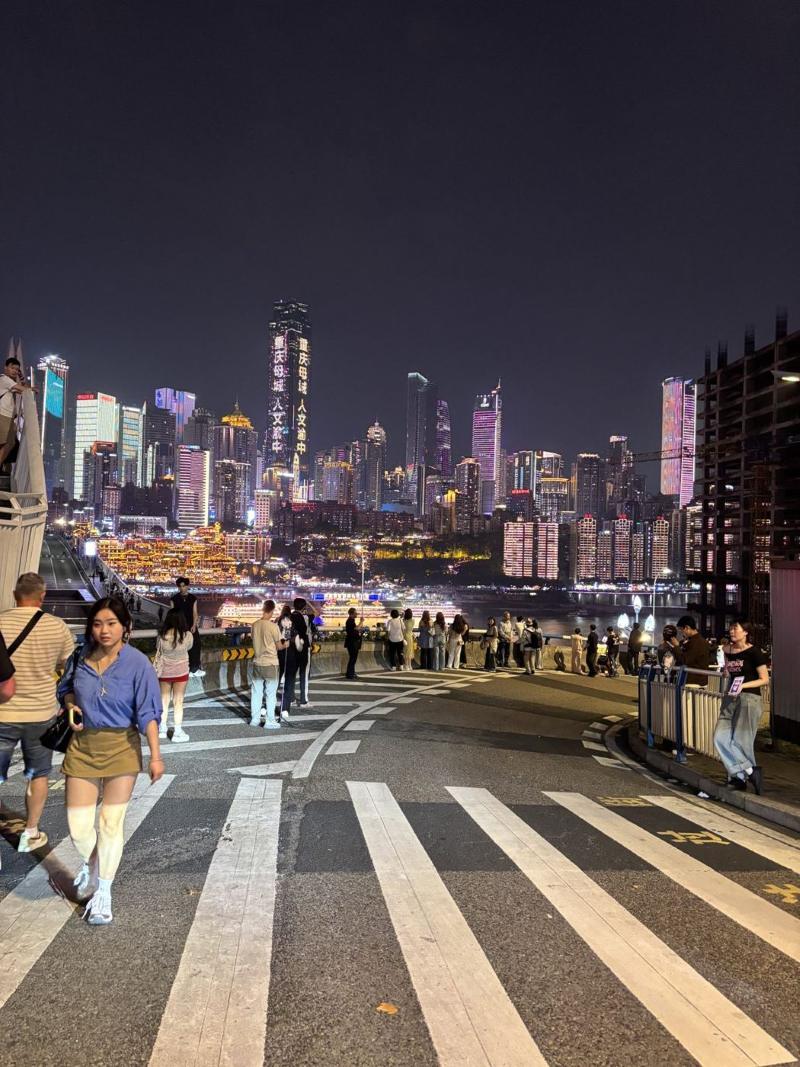
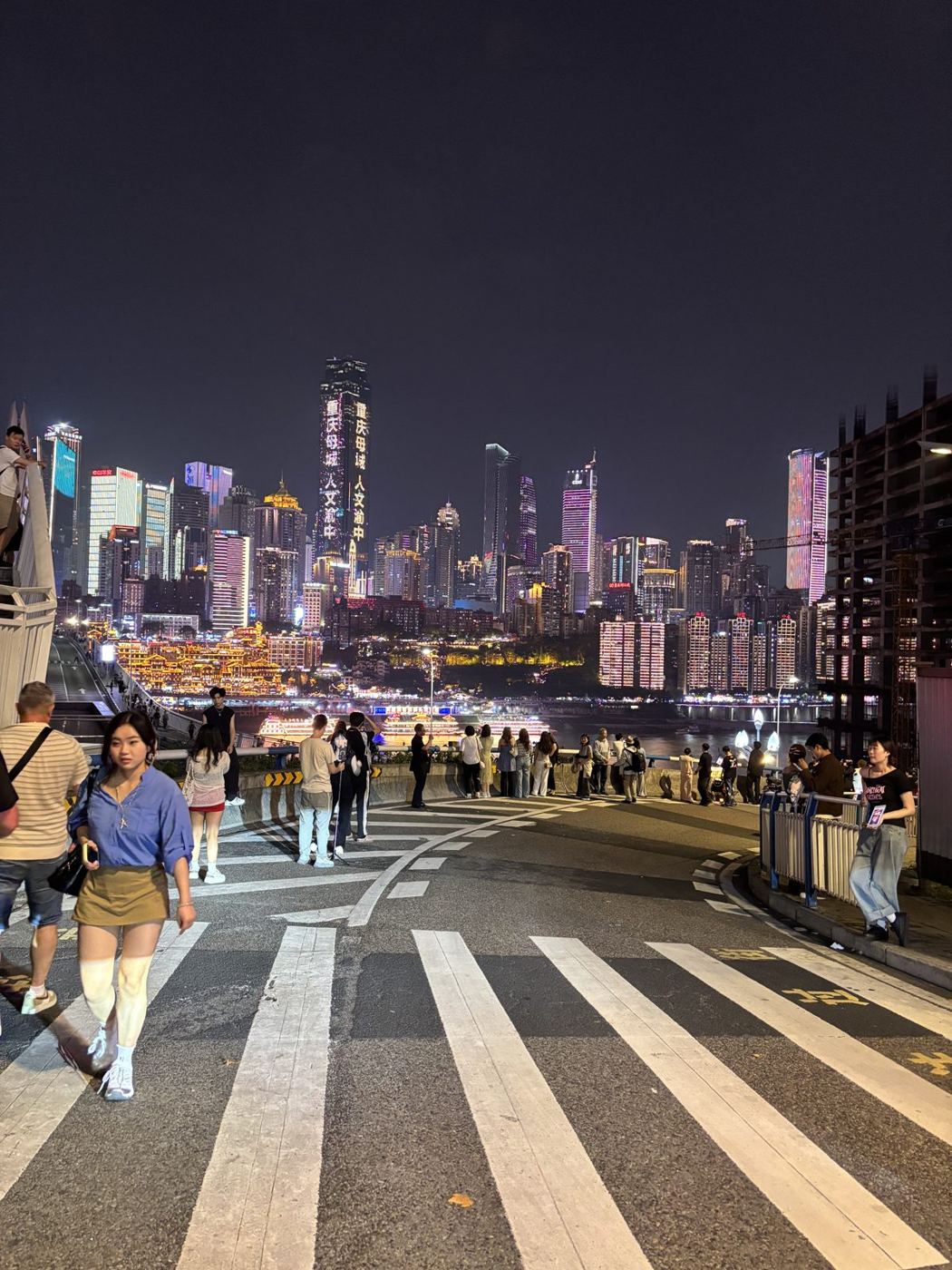
What surprised us most in China was how safe it feels. An evening stroll through an old town, a night food market or a metro ride back after dinner is completely normal there, and late in the evening the streets are still full of families with children.
As of 23 October 2026. Travel advice and laws can change, so check your government's latest advice for China just before you go.
China safety at a glance
| Risk | How big? | What to do |
|---|---|---|
| Muggings and theft | low | keep an eye on your phone in crowds |
| Tourist scams | common in tourist areas | don't go off with strangers; use metered taxis or DiDi |
| Traffic | the biggest real risk | look both ways, even on a green light |
| Laws | strict | no drugs, no politics, no photos of the military |
| Health | moderate | boiled water, insurance, care at altitude |
| Nature | seasonal | typhoons from May to November, earthquakes |
| Terrorism | low | follow security checks |
What governments say
- United Kingdom: the FCDO says serious crime against foreign nationals is relatively rare. It warns about the "tea tasting" or "massage" scam, random drug testing and exit bans in commercial disputes.
- United States: the State Department rates mainland China at Level 2 of 4 ("exercise increased caution"). In October 2026 it added a wrongful detention indicator, citing exit bans and the broad powers authorities have under national security laws.
- Poland: the Polish foreign ministry gives China Level 1, "normal precautions", meaning a threat level similar to Poland's. Its only specific restriction (as updated on 3 September 2026) concerns Tibet: after floods, Shigatse prefecture has been closed to foreigners since 1 September 2026.
So the differences between these ratings aren't about street crime but about politics and the law. For a tourist who isn't doing business in China or getting involved in politics, these risks are usually theoretical.
Crime in China: what the numbers say
According to the UN (UNODC), China has around 0.5 homicides per 100,000 people a year, fewer than Germany, the UK or France and more than ten times fewer than the US. China's Ministry of Public Security reported an even lower rate of 0.44 for 2024, and in 2025 the number of criminal cases filed fell by 12.8% to the lowest level this century. These figures come from the Chinese authorities and are hard to verify independently, but they match travellers' experience and other governments' assessments.
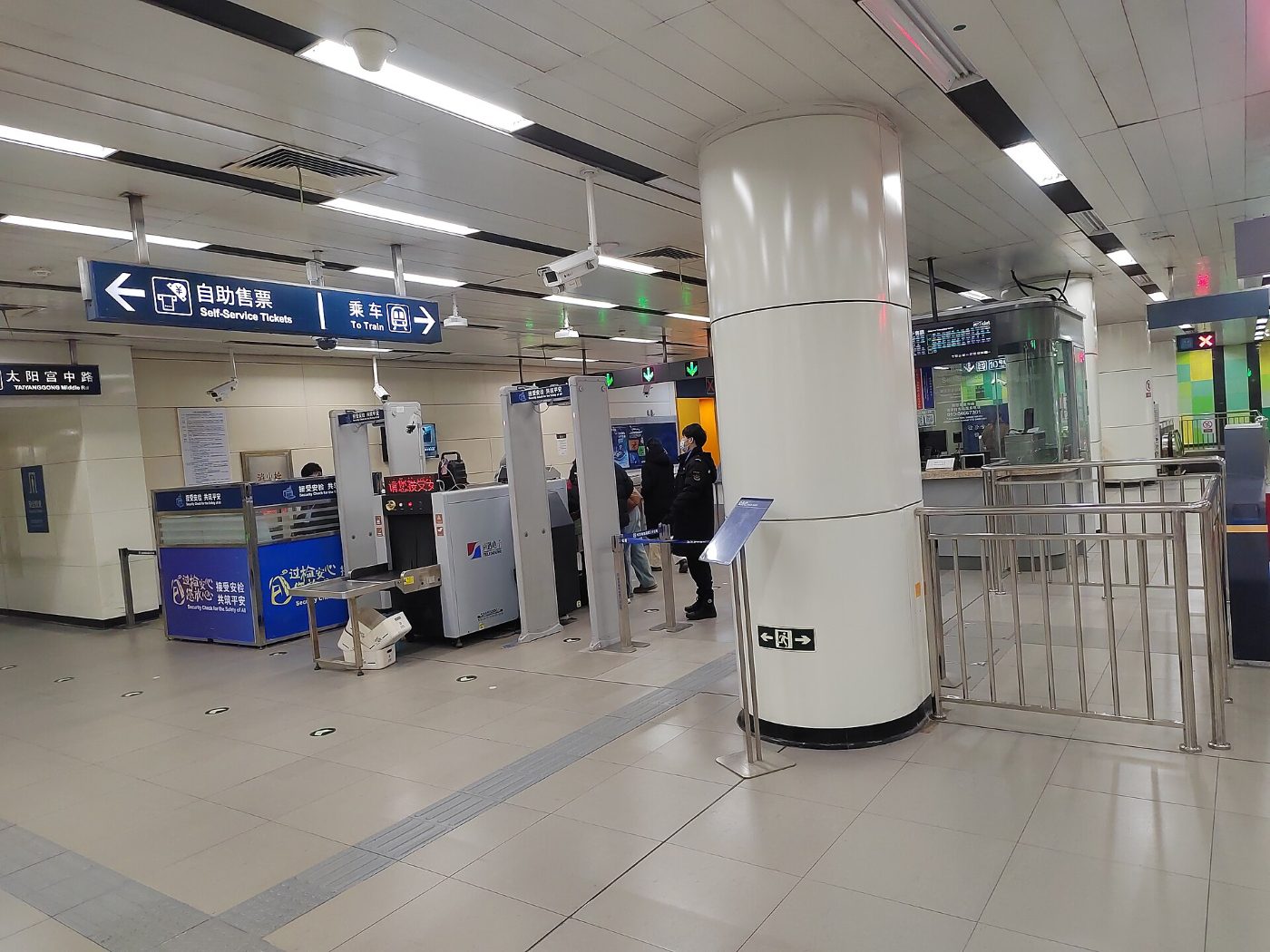
Why is crime so low? There are cameras on almost every corner, police and security guards are everywhere, and bags are X-rayed at metro entrances, railway stations and major sights, just like at an airport. Private gun ownership is practically non-existent, and penalties are harsh.
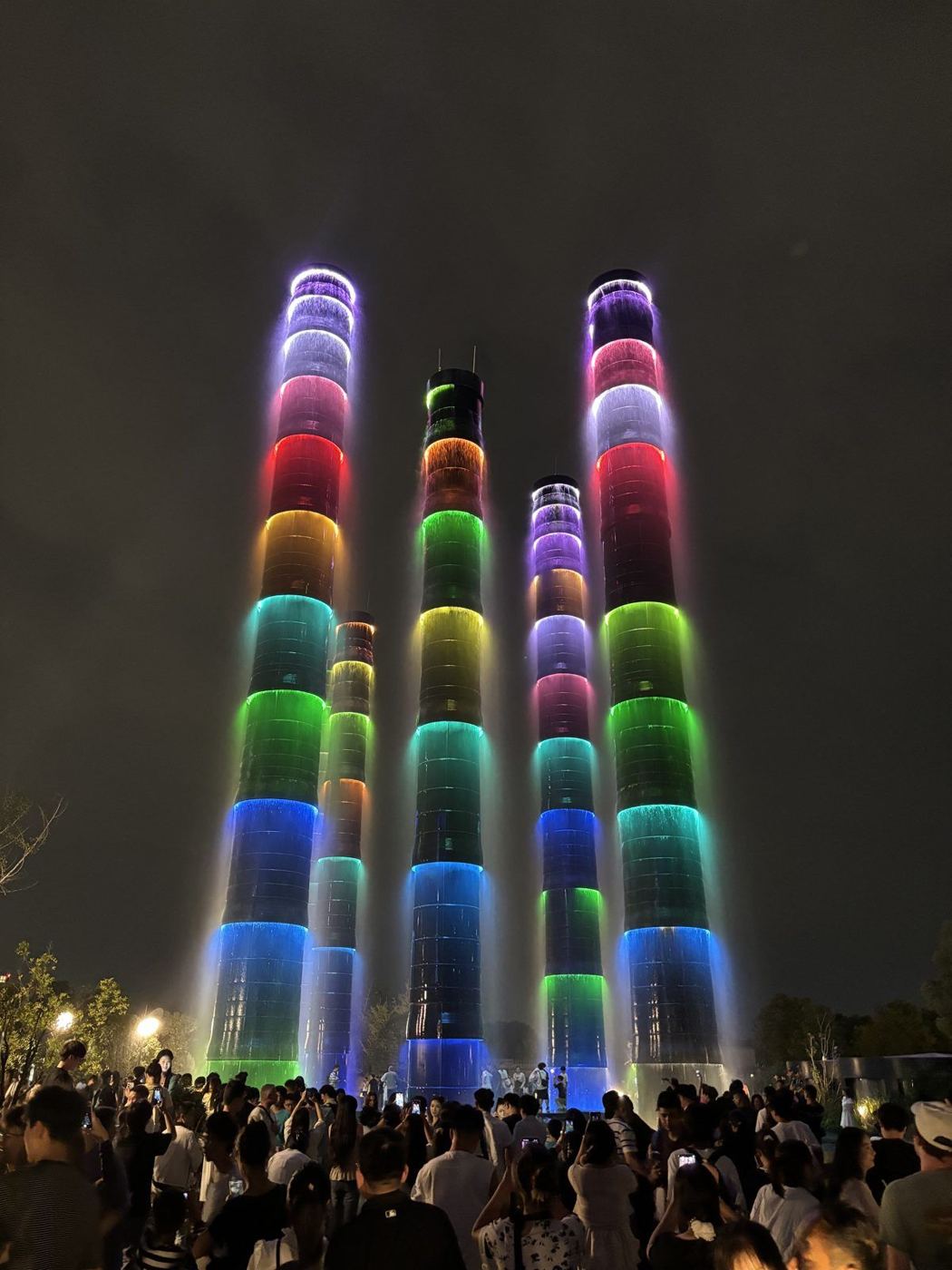
Pickpockets are rare, but in crowds it's worth being careful: at night markets, on packed metro trains, on shopping streets like Wangfujing in Beijing or Nanjing Road in Shanghai, and at stations during holidays. Your most valuable item is your phone, because in China it's your wallet, tickets and map in one. Set a screen lock and a separate Alipay passcode, and keep a photo of your passport in the cloud or with someone at home.
Tourist scams
The most common problem for tourists in China isn't theft but being overcharged. The best-known tricks:
- The "tea ceremony", "art students" or "massage" scam: friendly young people with excellent English start chatting to you near Tiananmen Square, on Wangfujing or on the Bund, then invite you for tea, a drink or an exhibition. At the end you get a bill for hundreds or thousands of yuan. Never go off with strangers who approach you in the street.
- Taxi touts: at airports and stations, unlicensed drivers offer rides that cost several times the metered fare. Queue at the official taxi rank and make sure the meter is on, or order a DiDi in the app.
- Rickshaws and rides: sometimes a price quoted "per ride" turns out at the end to be "per person" or "per few minutes". Agree the price before you get in, ideally typed out on your phone's calculator.
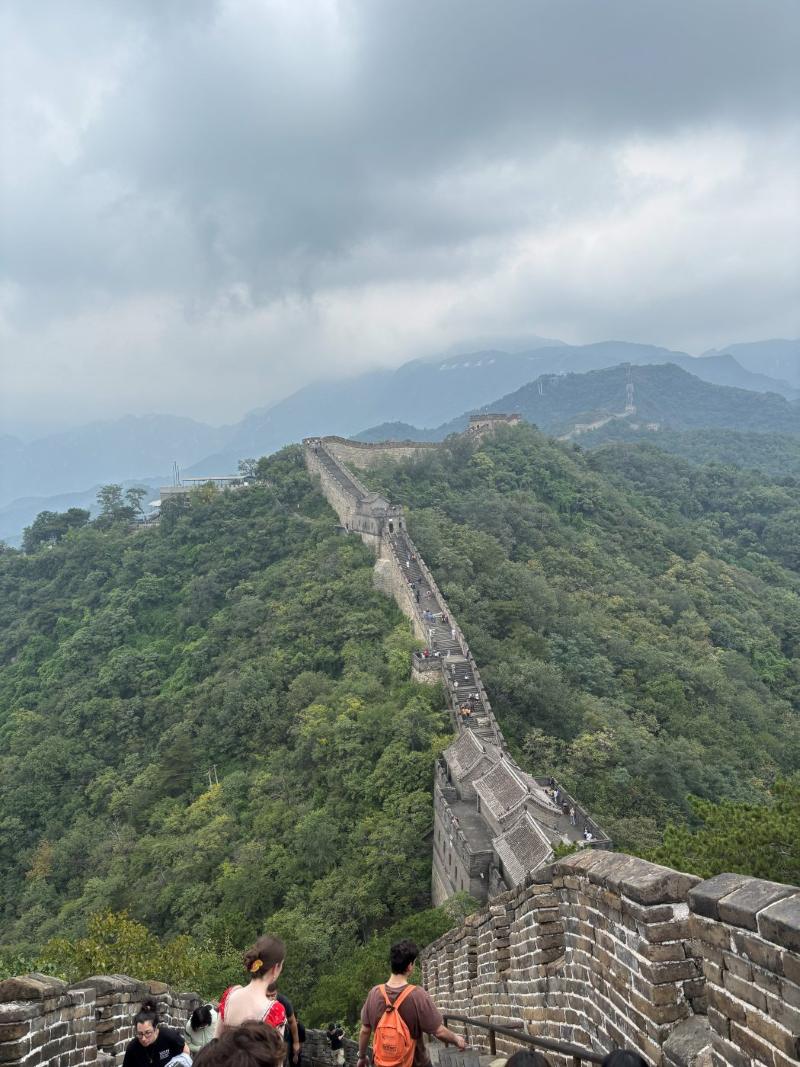
- Cheap Great Wall tours: offers from touts around Tiananmen can turn into tours with long stops in jade and tea shops. Book tours and tickets through official channels (how to book attraction tickets).
- Restaurants without prices: in tourist areas, ask for a menu with prices before you order.
- Fake QR codes: don't scan random codes, such as stickers on posts or parking meters. Only pay to the code at the till or the one the seller shows you.
Traffic: the biggest real risk
The real danger in China isn't thieves but cars and scooters. The World Health Organization estimates around 17 road deaths per 100,000 people a year in China (2021), several times the rate in the UK or most of Western Europe.
- Electric scooters are almost silent and often ride on the pavement or against the traffic.
- Cars turn right on red, so a green pedestrian light doesn't mean nothing is coming, and drivers rarely stop at zebra crossings.
- Foreign and international driving licences aren't valid in China: you need a Chinese licence or a temporary Chinese driving permit. It isn't worth it anyway, as high-speed rail, the metro and DiDi cover everything.
- High-speed rail is very safe; in taxis and DiDi cars, wear a seat belt in the back too.
The simplest rule: cross the road with the locals and look both ways, even on a zebra crossing.
At night, travelling solo and with children
- At night: city streets are well lit and busy until late, and the metro usually runs until around 11 pm–midnight. Be a little more careful only late at night around clubs and bars.
- Women travelling alone: China is widely considered a safe country for solo travel. The usual rules apply: don't leave your drink unattended, and in DiDi you can share your trip with friends.
- LGBT+ travellers: homosexuality is legal in China, but same-sex partnerships aren't recognised. Public displays of affection are uncommon there for straight couples too.
- With children: Chinese people adore children, and fair hair attracts attention. Someone may ask for a photo with your child, and you can politely say no.
The law: what not to do in China
Chinese laws are stricter than in most Western countries, and even a minor offence usually ends in deportation.
- Always carry your passport. You need it at hotels, stations and many sights, and police can ask for it in the street. A photocopy isn't accepted.
- Drugs: zero tolerance, and trafficking can carry the death penalty. Police can test you, including at the airport on arrival, and a positive result can lead to prosecution regardless of where or when you took the drug. That includes cannabis used legally in another country.
- Politics and religion: taking part in protests, handing out leaflets or publicly expressing political or religious views can lead to arrest. Don't do missionary work either.
- Photos: don't photograph soldiers, police or military sites. It's best to leave your drone at home: there are no-fly zones over cities and airports, and the rules are strict.
- Fights and disputes: after a fight you can be penalised and asked for compensation regardless of who started it. Court cases drag on for years.
- Alcohol and prostitution: being drunk in public is an offence. Prostitution is illegal, and foreigners face heavy fines and up to 15 days' detention.
- Exit bans usually affect people in commercial or legal disputes, not tourists.
- VPNs are a grey area: tourists use them widely, but don't talk about it publicly (internet in China).
Tibet, Xinjiang and Hong Kong: extra rules
- Tibet: foreigners can only visit on an organised tour with a guide and a special permit (the Tibet Travel Permit), arranged by the agency. According to the Polish foreign ministry, Shigatse prefecture, home to Everest Base Camp, has been closed to foreigners since 1 September 2026, and the border crossings to Nepal and India are closed until further notice.
- Xinjiang: the region is open to tourists, but with a great many checkpoints and frequent document checks. The UK FCDO warns of heightened surveillance there.
- Hong Kong and Macau are very safe (Hong Kong has even fewer homicides than mainland China). Since 2020 a national security law has applied there too, so avoid protests and political slogans. The emergency number is 999. More: Hong Kong travel guide.
Health: water, food and altitude
- Water: don't drink tap water, only boiled or bottled. You'll find boiling water at hotels, stations and on trains.
- Food: street food is usually fine, but choose busy stalls where food doesn't sit around. A hepatitis A vaccination is recommended.
- Altitude: Shangri-La is at 3,300 m, the summit of Mount Emei at 3,079 m and Jiuzhaigou at 2,000–3,100 m. Take it slowly and drink plenty of water, and if you have a heart condition, talk to your doctor before heading to high mountains.
- Mosquitoes: in the south, especially in summer, they can carry tropical diseases such as dengue. Use repellent.
- Air quality: in winter, during the heating season, the north can get smoggy, although in 2025 Beijing had its cleanest air on record. Check the air quality index (AQI) in a weather app.
- Medical care: hospitals in big cities are modern but expensive for foreigners; a visit to a private international clinic starts at around US$200, and surgery can cost tens of thousands. Get travel insurance that pays the hospital directly and covers medical evacuation, and bring your own medicines, because Chinese pharmacies often don't stock equivalents (what to pack for China).
Weather and nature: typhoons, floods and earthquakes
- Typhoons hit the southern and eastern coast from May to November, most often from July to September: Hong Kong, Guangzhou, Hainan, Xiamen and Shanghai. Ferries are suspended, and sometimes flights and trains too. In Hong Kong, once Signal No. 8 is raised, most shops and offices close.
- Heavy rain and floods happen in summer across much of the country, and landslides in the mountains of Sichuan and Yunnan.
- Earthquakes are a risk especially in Sichuan, Yunnan and Tibet.
In any of these situations, follow the instructions of local authorities. When to go to avoid typhoon and rainy seasons: Best time to visit China.
What to do if something goes wrong
| Number | Service |
|---|---|
| 110 | police |
| 120 | ambulance |
| 119 | fire |
| 122 | traffic accident |
| 999 | Hong Kong and Macau: police, ambulance, fire |
Don't count on the operator speaking English: keep a translation app handy or ask hotel staff or a passer-by for help.
- Theft: report it to the police (110) and ask for a report receipt (报案回执), which your insurer will need.
- Lost or stolen passport: report the loss at the Exit-Entry Administration (出入境管理局) in the city where it happened and ask for a certificate. Your embassy or consulate will issue an emergency travel document, and with it you go back to the Exit-Entry office for permission to leave China. This can take several working days.
- Accident or illness: call 120, then your insurer straight away; they'll point you to a hospital and settle the costs.
TipBefore you go, save the 24-hour number of your embassy or consulate in China and register your trip if your government offers it (for example STEP for US citizens). Every one of our itineraries has a box with emergency numbers, and the time4china app has an SOS card that works offline: numbers, key phrases to show on screen and advice on a lost passport.
Frequently asked questions
Is China safe for tourists?
Yes. The UK says serious crime against foreigners is relatively rare, Poland gives China its lowest warning level, and according to UN data there are fewer homicides there than in most of Europe. The most common problems for tourists are small scams (the "tea ceremony" invitation, unmetered taxis) and traffic, not muggings.
Is China safe for solo female travellers?
Yes, China is widely considered a safe country for solo travel. Big cities are well lit and busy until late, and the metro usually runs until around 11 pm–midnight. The usual rules apply: don't leave your drink unattended, and share your DiDi trip with friends.
Are there pickpockets in China?
Rarely, but in crowds (night markets, packed metro trains, stations during holidays) keep an eye on your phone and wallet. Your phone matters most in China, because you use it to pay, buy tickets and find your way.
What are the emergency numbers in China?
110 is the police, 120 an ambulance, 119 the fire service and 122 for traffic accidents. In Hong Kong and Macau, call 999.
Can I be punished in China for cannabis used in another country?
Yes. China has zero tolerance for drugs. Police can test you, including on arrival, and a positive result can lead to prosecution regardless of where or when you took the drug.
Is it safe for Americans to travel to China?
Millions of tourists visit China without problems, and street crime is low. The US State Department rates mainland China at Level 2 ("exercise increased caution") and in October 2026 added a wrongful detention indicator, pointing to exit bans and national security laws. These mainly concern people in business disputes or with links to sensitive work, but read the current advisory before you go.
Is street food in China safe?
Usually, yes. Choose busy stalls where food is cooked in front of you, and drink bottled or boiled water. A hepatitis A vaccination before your trip is a good idea.
Sources
- UK FCDO: China – safety and security
- US State Department: China travel advisory and US News: wrongful detention warning (October 2026)
- Polish foreign ministry (Odyseusz): China country profile (updated 3 September 2026)
- UNODC: homicide rate per 100,000 people (Our World in Data)
- China Daily: China's homicide rate in 2024 and fall in criminal cases in 2025
- WHO: China road safety country profile (2023)
- Our own trips and the practical information in our 11 itineraries
Travel safely with a ready-made itinerary
Every one of our itineraries includes addresses in Chinese for taxi drivers, a box with emergency numbers and tips on where to watch out for scams. The app adds an SOS card that works offline. See our China itineraries or start with First time in China.