Planning your route · 11 min read
Prices in China 2026: what food, transport, hotels and shopping cost
In short: for visitors from Europe, North America or Australia, China is mostly cheap. Food costs far less (a bowl of noodles is about ¥20 (about 12 PLN), a Big Mac ¥26.50 (about 15 PLN), around $3.90), and so do the metro (from ¥2 (about 1 PLN)–¥3 (about 2 PLN) a ride), taxis (¥13 (about 8 PLN) for the first 3 km in Beijing) and high-speed trains. Hotels cost less than in most Western cities. Prices are higher in national parks, where buses and cable cars come on top of the ticket, at Starbucks, for alcohol and imported goods, and in Hong Kong and Macau. Tourists pay the same prices as locals, and there's no tipping. Expect to spend about ¥500 (about 291 PLN) a day on a budget, or about ¥1,000 (about 583 PLN) travelling in comfort.
What surprised us most in China was how far ahead the technology is, and with prices you see it everywhere: you pay for coffee, museum tickets and the metro with your phone, and in the chains' apps a coffee or tea with a coupon is often noticeably cheaper than on the menu board.
As of 23 October 2026. Prices are typical figures for big cities, checked against official price lists, our itineraries and our city guides. Yuan amounts are converted at the current rate into the currency selected in the site menu.
How much is a yuan?
China's currency is the yuan (元), written ¥ or CNY; in everyday speech people call it kuai (块). In October 2026 1 yuan was worth about $0.15, €0.13 or £0.11, so ¥100 (about 58 PLN) is roughly $15. A quick rule of thumb: divide yuan prices by about 7 for dollars.
Hong Kong uses the Hong Kong dollar (HK$) and Macau the pataca (MOP), both worth slightly less than a yuan. Yuan are accepted there only in some shops.
Prices in China at a glance
| What | Price | Compared with the West |
|---|---|---|
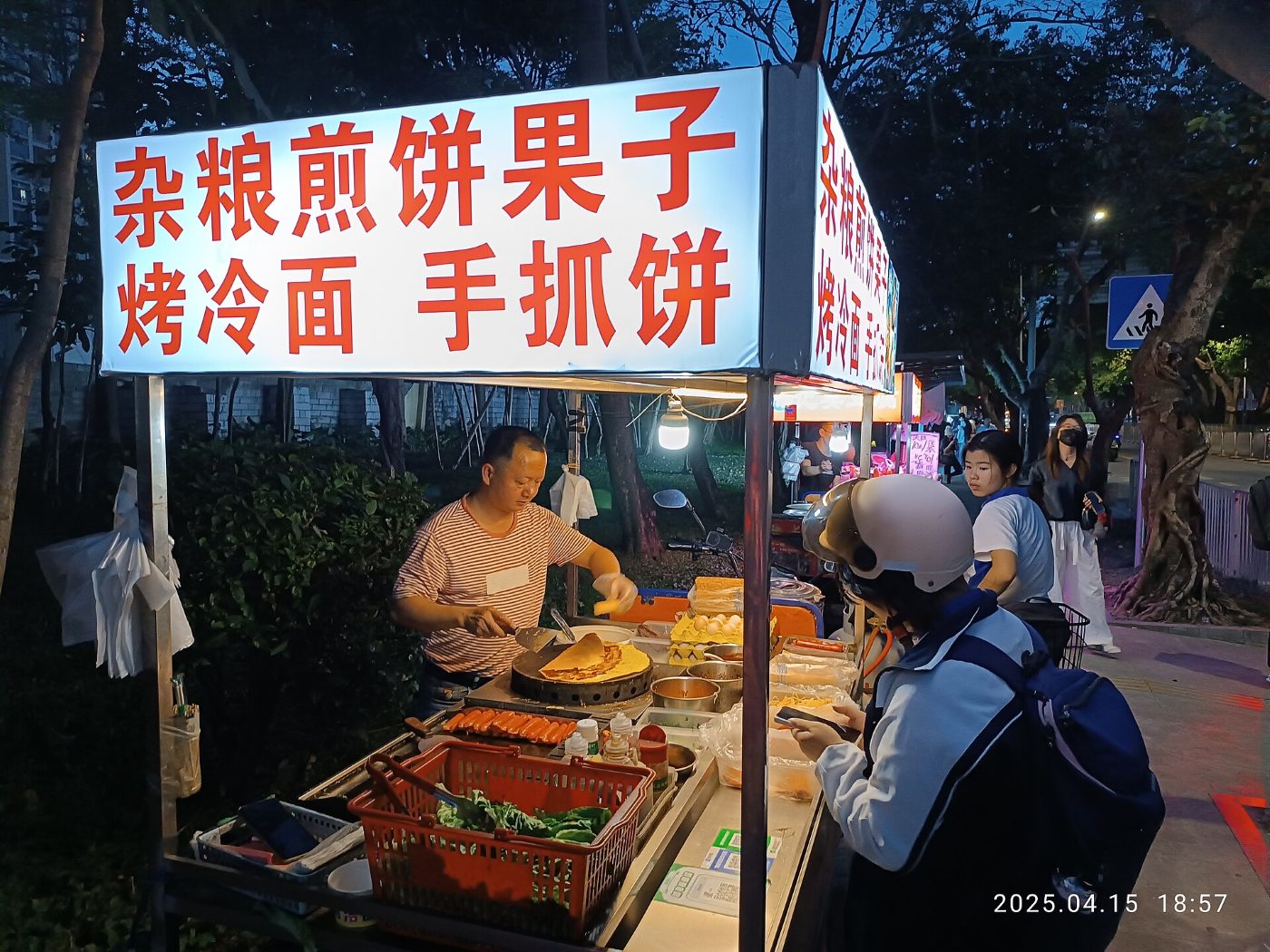
| street breakfast (jianbing pancake, baozi buns) | ¥5 (about 3 PLN)–¥15 (about 9 PLN) | much cheaper |
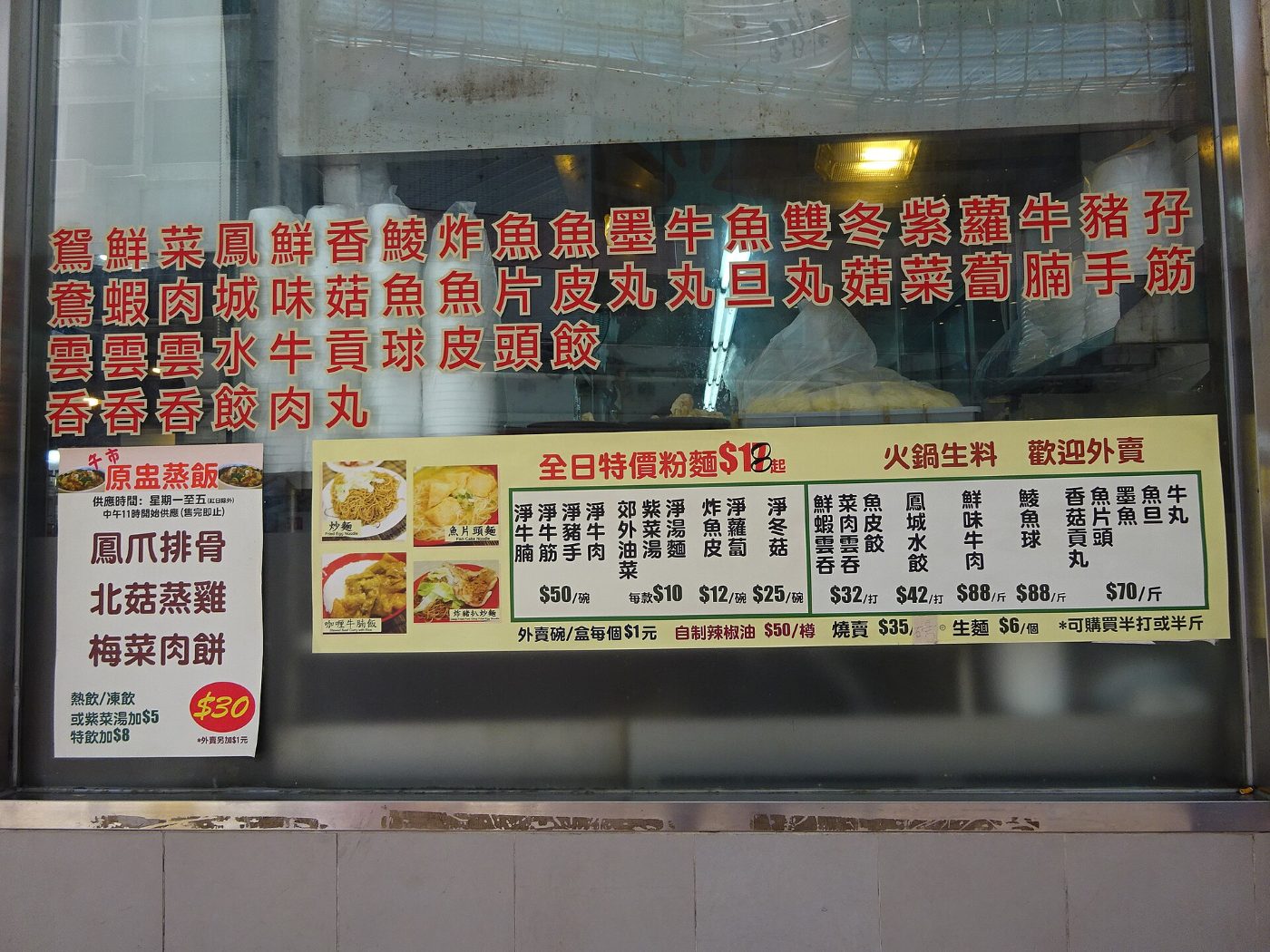
| bowl of noodles in a canteen | about ¥20 (about 12 PLN) | much cheaper |
| dinner in an ordinary restaurant (per person) | ¥60 (about 35 PLN)–¥100 (about 58 PLN) | cheaper |
| hotpot (per person) | ¥100 (about 58 PLN)–¥150 (about 87 PLN) | cheaper |
| Big Mac | ¥26.50 (about 15 PLN) | cheaper (US $6.22, UK £5.49) |
| coffee: Luckin / Starbucks | ¥10 (about 6 PLN)–¥20 (about 12 PLN) / ¥30 (about 17 PLN)–¥35 (about 20 PLN) | cheaper / similar |
| 0.5 l water from a shop | ¥2 (about 1 PLN)–¥3 (about 2 PLN) | cheaper |
| 0.5 l beer: shop / restaurant | ¥4 (about 2 PLN)–¥8 (about 5 PLN) / ¥10 (about 6 PLN)–¥20 (about 12 PLN) | cheaper |
| metro (single ride) | ¥2 (about 1 PLN)–¥8 (about 5 PLN) | much cheaper |
| taxi across the centre | ¥20 (about 12 PLN)–¥40 (about 23 PLN) | much cheaper |
| high-speed train, second class | about ¥50 (about 29 PLN) per 100 km | cheaper |
| hostel dorm bed | ¥80 (about 47 PLN)–¥150 (about 87 PLN) | cheaper |
| room in a chain hotel | about ¥300 (about 175 PLN)–¥400 (about 233 PLN) | much cheaper |
| ticket to a major sight | ¥40 (about 23 PLN)–¥200 (about 117 PLN) | similar or cheaper |
| 10-day unlimited eSIM | about ¥82 (about 48 PLN) | – |
Food and drink
Food is the best part of China's prices: the best dishes are often the cheapest, because they're cooked in small canteens and at street stalls.
| What | Price |
|---|---|
| steamed baozi bun (each) | ¥2 (about 1 PLN)–¥4 (about 2 PLN) |
| jianbing pancake with egg | ¥8 (about 5 PLN)–¥15 (about 9 PLN) |
| bowl of noodles or a plate of dumplings | ¥15 (about 9 PLN)–¥30 (about 17 PLN) |
| set lunch in a canteen (rice, meat, vegetables) | ¥25 (about 15 PLN)–¥40 (about 23 PLN) |
| dinner in an ordinary restaurant, per person | ¥60 (about 35 PLN)–¥100 (about 58 PLN) |
| hotpot, per person | ¥100 (about 58 PLN)–¥150 (about 87 PLN) |
| whole Peking duck at a well-known restaurant | ¥230 (about 134 PLN)–¥400 (about 233 PLN) |
| McDonald's or KFC meal | ¥30 (about 17 PLN)–¥40 (about 23 PLN) |
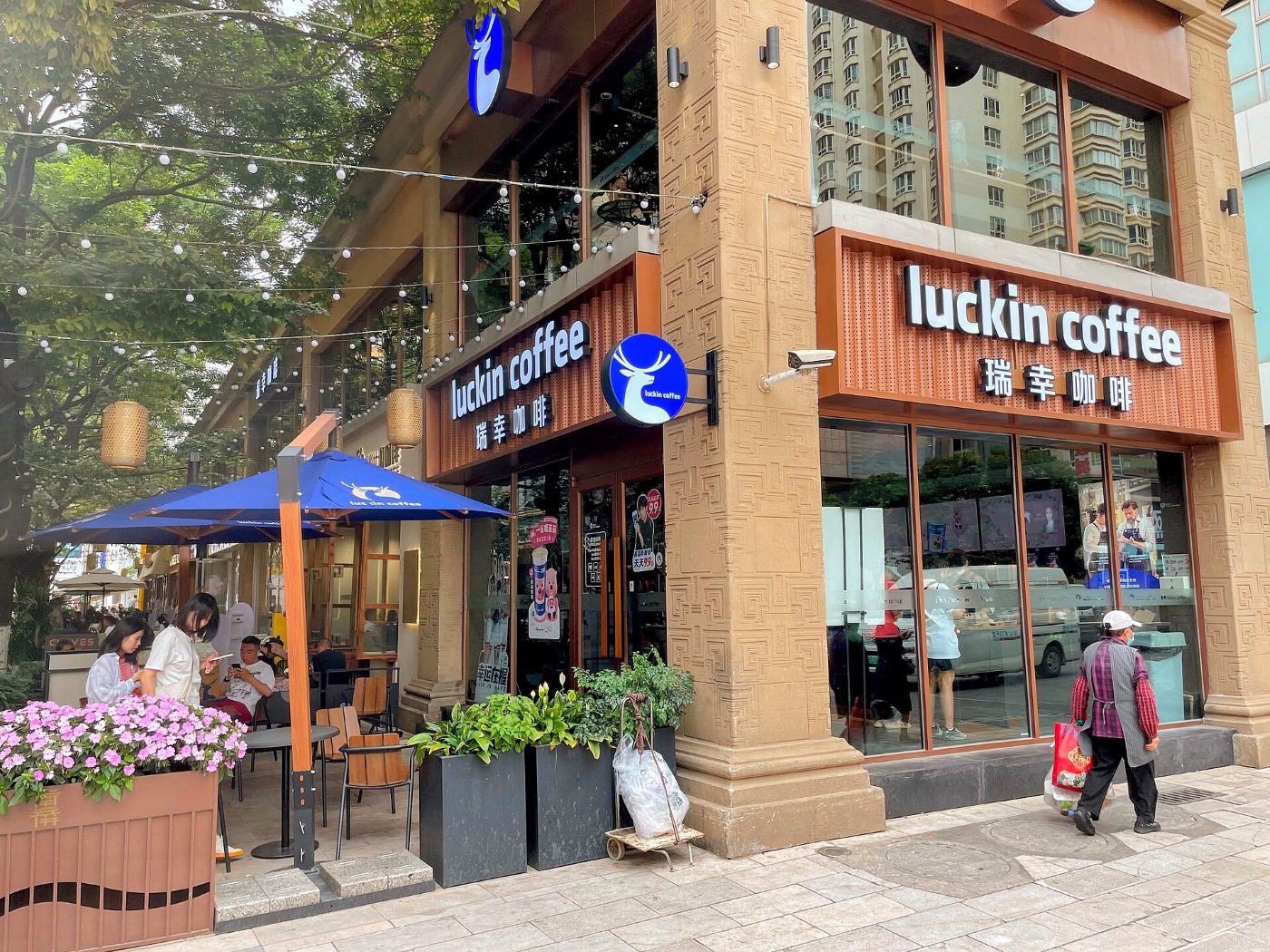
| coffee at Luckin Coffee (with an app coupon) | ¥10 (about 6 PLN)–¥20 (about 12 PLN) |
| coffee at Starbucks | ¥30 (about 17 PLN)–¥35 (about 20 PLN) |
| lemonade at Mixue / milk tea at a chain | about ¥4 (about 2 PLN) / ¥15 (about 9 PLN)–¥25 (about 15 PLN) |
| 0.5 l water | ¥2 (about 1 PLN)–¥3 (about 2 PLN) |
| 0.5 l beer: shop / restaurant / craft beer bar | ¥4 (about 2 PLN)–¥8 (about 5 PLN) / ¥10 (about 6 PLN)–¥20 (about 12 PLN) / ¥40 (about 23 PLN)–¥60 (about 35 PLN) |
A Peking duck currently costs about ¥230 (about 134 PLN)–¥300 (about 175 PLN) at Quanjude, about ¥260 (about 152 PLN) at Siji Minfu and about ¥400 (about 233 PLN) at Da Dong. One duck feeds 2–3 people. In our itineraries we budget about ¥110 (about 64 PLN) a day per person for food on a budget (canteens, local eateries, the odd restaurant) and about ¥250 (about 146 PLN) for comfort (restaurants, hotpot, cafés).
Imported goods cost more than at home: cheese, wine, chocolate or breakfast cereal in the supermarket, and drinks in bars aimed at foreigners. Drink only bottled or boiled water; hot water for tea is free at hotels, stations and on trains.
The Big Mac in China and around the world
A handy way to compare prices is The Economist's Big Mac index. In July 2026 a Big Mac cost ¥26.50 (about 15 PLN) in China, or about $3.91, compared with $6.22 in the US, £5.49 ($7.40) in the UK and €6.19 ($7.08) in the euro area. That makes China slightly cheaper than Thailand but more expensive than Japan and Vietnam.
Getting around the city
- Metro: a ride usually costs ¥2 (about 1 PLN)–¥8 (about 5 PLN). In Beijing it's ¥3 (about 2 PLN) for the first 6 km, ¥4 (about 2 PLN) up to 12 km and ¥5 (about 3 PLN) up to 22 km; in Guangzhou ¥2 (about 1 PLN) for the first 4 km, with a maximum of ¥14 (about 8 PLN). You pay with a QR code in Alipay, with no tickets to buy.
- City buses: usually ¥1 (about 1 PLN)–¥2 (about 1 PLN).
- Taxis: in Beijing ¥13 (about 8 PLN) for the first 3 km and about ¥2.30 (about 1 PLN) for each additional kilometre; in Guangzhou from ¥12 (about 7 PLN). A ride across the centre usually costs ¥20 (about 12 PLN)–¥40 (about 23 PLN), a little more at night. DiDi costs about the same or less, and you see the price before the ride.
- From the airport to the centre: in Beijing the Airport Express from Capital Airport costs ¥25 (about 15 PLN), in Shanghai the Maglev ¥50 (about 29 PLN), and a taxi or DiDi usually ¥100 (about 58 PLN)–¥150 (about 87 PLN).
- Shared bikes (Meituan, HelloBike) cost a few yuan per ride and unlock in Alipay.
Trains and flights
High-speed rail costs about ¥45 (about 26 PLN)–¥50 (about 29 PLN) per 100 km in second class. First class is about 1.6 times as much, business class about 3 times.
| Route | Time | 2nd class |
|---|---|---|
| Shanghai – Hangzhou | about 1 h | about ¥75 (about 44 PLN) |
| Chengdu – Chongqing | 1–1.5 h | about ¥100 (about 58 PLN) |
| Beijing – Xi'an | 4.5–5.5 h | from ¥515 (about 300 PLN) |
| Beijing – Shanghai | 4.5–6 h | about ¥600 (about 350 PLN) |
You'll find timetables and fares for 23 routes in our guide How to buy train tickets in China. On long routes, such as Beijing to Kunming, a domestic flight is often faster and not much more expensive than the train.
Accommodation
| Type | Price per night |
|---|---|
| bed in a hostel dorm | ¥80 (about 47 PLN)–¥150 (about 87 PLN) |
| private room in a hostel | ¥150 (about 87 PLN)–¥280 (about 163 PLN) |
| chain hotel (Hanting, Ji Hotel, Atour), double room | about ¥300 (about 175 PLN)–¥400 (about 233 PLN) |
| 4–5-star or boutique hotel | about ¥600 (about 350 PLN)–¥1,200 (about 699 PLN) |
Prices are highest in Shanghai, Beijing and Shenzhen, and at resorts in peak season (Sanya in winter, Harbin in January). Sichuan, Yunnan and smaller cities are cheaper. Not every hotel accepts foreigners, so check before you book (hotels, trains and flights).
Attraction tickets
| Sight | Price |
|---|---|
| Forbidden City, Beijing | ¥60 (about 35 PLN) (¥40 (about 23 PLN) from November to March) |
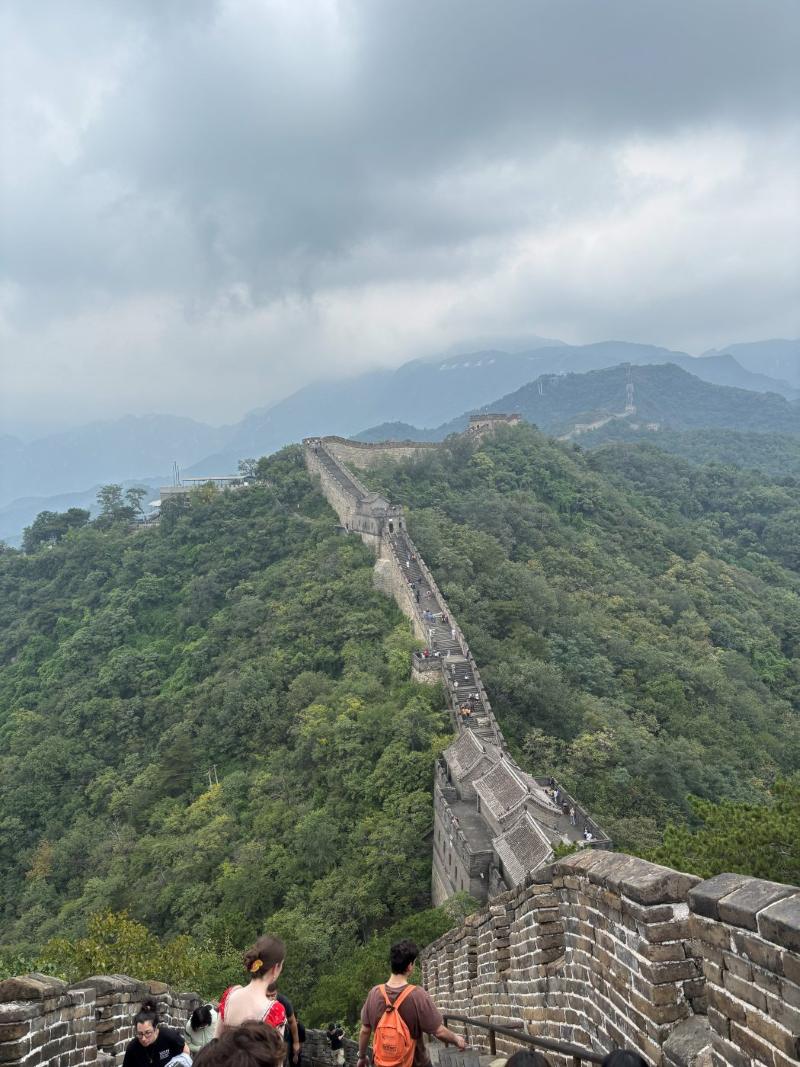
| Great Wall at Mutianyu | ¥40 (about 23 PLN) + cable car about ¥140 (about 82 PLN) |
| Terracotta Army, Xi'an | ¥120 (about 70 PLN) |
| Giant Panda Base, Chengdu | ¥55 (about 32 PLN) |
| Shanghai Tower observation deck | about ¥180 (about 105 PLN) |
| Wulingyuan park, Zhangjiajie (4 days) | about ¥225 (about 131 PLN) |
Many big museums, such as the National Museum of China in Beijing, are free: you just book with your passport number. You'll spend most in national parks and on mountains, where buses, cable cars and lifts come on top of the ticket. Buy tickets through official channels (how to book attraction tickets); many are cheaper in winter (China in winter).
Shopping: clothes, electronics and souvenirs
- Clothes: Chinese brands and market finds are cheap, while global chains cost about the same as at home. At fake markets prices are "negotiable", but counterfeit branded goods can be seized by customs when you get home.
- Electronics: phones and accessories from Chinese brands (Xiaomi, Huawei, Honor) are noticeably cheaper. The iPhone 17 starts at ¥5,999 (about 3496 PLN) (256 GB) on Apple's Chinese price list, but one bought in China may not be covered by your home warranty. Chinese versions of Android phones often lack Google services.
- Cosmetics from Chinese brands are cheap; foreign brands cost the same as at home or more.
- Souvenirs: tea, name seals, silk or Pop Mart figures – prices and customs limits are in our article What to buy in China.
- Internet: an eSIM bought in Alipay costs about ¥82 (about 48 PLN) for 10 days of unlimited data (internet in China).
Services and other costs
- Foot massage at a chain salon: usually ¥100 (about 58 PLN)–¥250 (about 146 PLN) for 60–90 minutes.
- Cinema: about ¥40 (about 23 PLN)–¥70 (about 41 PLN) a ticket; foreign films are often shown in the original with Chinese subtitles.
- Laundry at a hotel or a self-service machine in a hostel: from a dozen to a few dozen yuan.
- Fuel: 92-octane petrol cost about ¥8.30 (about 5 PLN) a litre in September 2026 (Zhejiang province). You can't drive in China on a foreign licence without a Chinese permit anyway.
- Public toilets are free, but often have no paper.
Hong Kong and Macau: more expensive
Hong Kong and Macau have their own systems, currencies and noticeably higher prices, especially for hotels: a similar room costs 2–3 times as much as on the mainland. Food and transport can be reasonable, though.
- Star Ferry across the harbour: HK$5 (about 2 PLN), HK$6.50 (about 3 PLN) at weekends,
- tram on Hong Kong Island: HK$3.30 (about 2 PLN) a ride,
- Peak Tram up Victoria Peak: HK$116 (about 58 PLN) return,
- Big Mac: HK$25.50 (about 13 PLN), cheaper than on the mainland,
- lunch at a local cha chaan teng café: usually HK$50 (about 25 PLN)–HK$100 (about 50 PLN).
Restaurants in Hong Kong and Macau often add a 10% service charge to the bill. More: Hong Kong travel guide.
How to pay and avoid overpaying
- Pay by phone: Alipay and WeChat Pay with a linked foreign card work almost everywhere. Payments over ¥200 (about 117 PLN) carry a 3% fee, but there are ways around it (how to pay in China).
- Same prices for everyone: on official price lists, on the metro, in restaurants and at museums, tourists pay the same as locals.
- Only haggle at markets and tourist stalls. In shops, malls and restaurants prices are fixed.
- Don't tip on the mainland – nobody expects it.
- Watch out for scams: "tea ceremony" invitations from strangers and unmetered taxis are the most common ways tourists get overcharged (is China safe to visit?).
- Cash: carry ¥500 (about 291 PLN)–¥1,000 (about 583 PLN) just in case, but you'll rarely use it.
How much will you spend per day in China?
On the ground, excluding international flights, expect to spend about ¥500 (about 291 PLN) a day on a budget (chain hotels, second class, canteens) or about ¥1,000 (about 583 PLN) in comfort (4–5-star hotels, first class, restaurants). The full trip budget, cost breakdowns for 11 routes and a calculator for your own trip are in our article How much does a trip to China cost?
Frequently asked questions
Is China cheap to visit?
Mostly, yes. Food, the metro, taxis and trains are much cheaper than in Western Europe or the US, and hotels cost less than in most Western cities. National parks, Hong Kong and Macau, and imported goods are the expensive parts.
How much does food cost in China?
A bowl of noodles or a set lunch in a canteen costs ¥15 (about 9 PLN)–¥40 (about 23 PLN), dinner in an ordinary restaurant about ¥60 (about 35 PLN)–¥100 (about 58 PLN) per person, and hotpot ¥100 (about 58 PLN)–¥150 (about 87 PLN). A whole Peking duck at a well-known restaurant is ¥230 (about 134 PLN)–¥400 (about 233 PLN) for 2–3 people. Budget about ¥110 (about 64 PLN) a day for food, or about ¥250 (about 146 PLN) if you eat in restaurants.
How much is a coffee in China?
At Luckin Coffee, China's biggest chain, a coffee with an app coupon usually costs ¥10 (about 6 PLN)–¥20 (about 12 PLN), and at Starbucks ¥30 (about 17 PLN)–¥35 (about 20 PLN). Milk tea at a chain is ¥15 (about 9 PLN)–¥25 (about 15 PLN), and a lemonade at Mixue about ¥4 (about 2 PLN).
How much is a beer in China?
Chinese beer such as Tsingtao costs ¥4 (about 2 PLN)–¥8 (about 5 PLN) for 0.5 l in a shop, ¥10 (about 6 PLN)–¥20 (about 12 PLN) in a restaurant and ¥40 (about 23 PLN)–¥60 (about 35 PLN) for craft beer in a bar.
How much is a taxi in China?
In Beijing it's ¥13 (about 8 PLN) for the first 3 km and about ¥2.30 (about 1 PLN) for each additional kilometre; in Guangzhou from ¥12 (about 7 PLN). A ride across a big city centre usually costs ¥20 (about 12 PLN)–¥40 (about 23 PLN), and from the airport to the centre ¥100 (about 58 PLN)–¥150 (about 87 PLN). DiDi costs about the same or less.
Is China cheaper than Japan or Thailand?
It depends on what you compare. By the Big Mac index, China ($3.91 in July 2026) is slightly cheaper than Thailand ($4.02) and more expensive than Japan ($3.08). In practice, hotels and trains in China are usually cheaper than in Japan, while Thai beach resorts can be cheaper than Chinese ones.
How much money do I need per day in China?
About ¥500 (about 291 PLN) per person on a budget and about ¥1,000 (about 583 PLN) in comfort, including accommodation, food, transport and tickets. International flights come on top.
Sources
- The Economist: Big Mac index data (July 2026)
- China Services Info: Beijing metro and public transport fares (2026)
- Chinavigators: China trip costs in 2026 (accommodation) and Peking duck – restaurants and prices
- Tiger Brokers: fuel prices in Zhejiang (September 2026)
- iFeng: Chinese iPhone 17 prices
- Train fares from the 12306 system (October 2026), ticket prices from our city guides and cost breakdowns from our 11 itineraries
Prices worked out in every itinerary
Every one of our itineraries has a "How much it costs" table with the route's budget in two versions – budget and comfort – plus ticket, transport and restaurant prices for each day. See our China itineraries or try our trip cost calculator.