Planning your route · 12 min read
China with kids: documents, tickets, strollers, food and routes
In short: you can travel China independently with kids, and the hard parts are pace and logistics, not safety. Every child needs their own passport, and usually their own reservation at sights. On trains, children under 6 travel free on an adult's lap, and ages 6–13 usually pay half (age counts, not height). Taxis and DiDi usually have no car seats, and strollers can be awkward in the metro and at historic sights, so bring a carrier too. You can buy diapers and formula in big cities, but don't drink the tap water. A relaxed route works best: 2 cities in a week, with 3 days per city.
What surprised us most in China was how safe it feels: an evening walk through an old town or a night market full of families is completely ordinary there.
Correct as of 1 November 2026. This guide draws on official railway and border rules and on accounts from families who have travelled in China with children. Rules at sights change often, so check them when you book. Yuan amounts are converted at the NBP rate into the currency selected in the site menu.
China with kids at a glance
| Topic | What to know |
|---|---|
| Document | the child's own passport, even for a baby |
| Train, under 6 | free on an adult's lap, declared when buying |
| Train, ages 6–13 | child ticket, usually 50% of the fare |
| Train, from 14 | full fare |
| Sights | discounts vary by place, reservation with the child's passport |
| Cars | taxis and DiDi usually have no car seat |
| Stroller | light and foldable, plus a carrier |
| Best time | March–May and September–November |
| When to avoid | 1–7 October, 1–5 May and Lunar New Year |
What age to go: what's hard at each stage
| Age | What helps | What's harder |
|---|---|---|
| Baby | a carrier, free train travel on your lap | the long flight, feeding on the move, no car seat |
| 2–5 | pandas, parks, short bullet-train rides | heat, crowds at big sights, long queues |
| 6–10 | trains, the Great Wall, street food | gardens and museums get boring fast; a daily break is a must |
| 11 and up | nearly the same pace as adults | they'll need internet and apps on their own phone too |
Families who have been to China with small children advise skipping the most crowded sights at peak times if your child is under 5, and choosing parks, pandas and quiet neighbourhoods instead. Set the pace for your youngest child.
Documents: passport, visa-free entry and parental consent
- Passport: a child needs their own passport, ideally valid for at least 6 months for China.
- Visa: the entry rules are the same for a child as for an adult with the same passport. Citizens of 50 countries, including most of the EU, the UK, Canada and Australia, can currently enter China visa-free for up to 30 days, until 31 December 2026. Details: China visa-free.
- Arrival card: fill in a separate one for each person, including children. A parent can do it for them online before the flight.
- Fingerprints: at the border they're taken from foreigners aged 14–70, so younger children don't give them.
- One parent or another guardian: we didn't find an official requirement for tourists, but to be safe, bring consent from the other parent in English, with the travel details and a contact. If the child has a different surname, a copy of the birth certificate also helps.
TipCheck your own country's rules for travelling with a child before you leave, and keep scans of all passports on your phone.
Train tickets for children
Since 2023, the ticket depends on age on the day of travel, not height. These are the rules from the 12306 railway system:
| Age | Ticket | Bullet train fare |
|---|---|---|
| under 6, no separate seat | free, one child per adult; declare them when buying | free |
| under 6 with their own seat, or a second child | child ticket | 50% in second and first class |
| 6–13 | child ticket | 50% in second and first class, 80% in business class |
| 14 and up | full-fare ticket | 100% |
A child ticket must be for the same train, day and class as the accompanying adult, and you enter the child's passport. On a longer trip, buy your toddler their own seat, because several hours on a lap is a lot. If you book through an agency, check that it lets you add a child with no seat, and if not, ask customer service. How to buy step by step: How to buy train tickets in China.
Discounts at sights
There's no single rule. Sometimes height counts, sometimes age, and sometimes citizenship. Your child almost always needs their own reservation with their passport, even if they get in free.
| Place | Child |
|---|---|
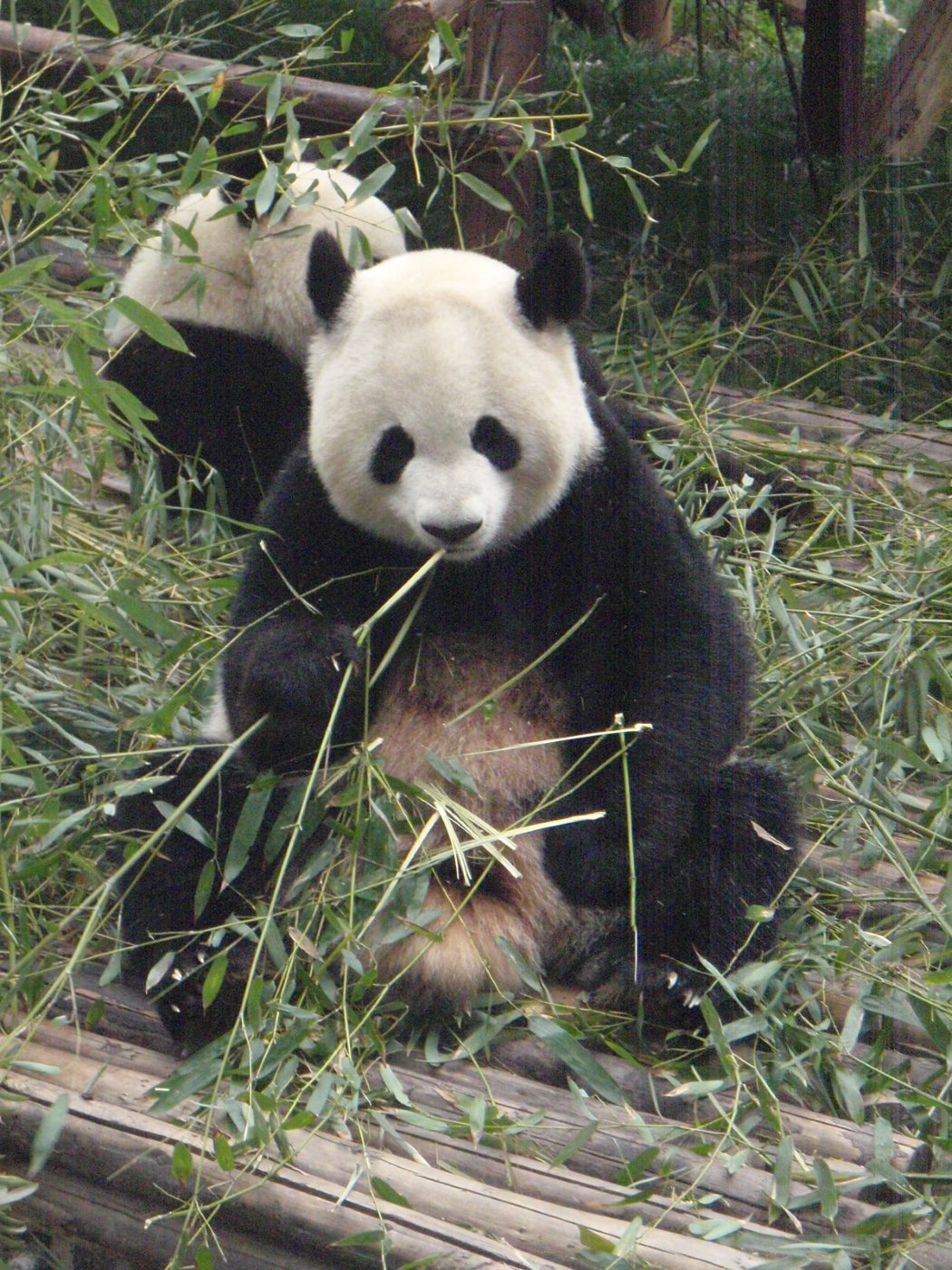
| Chengdu Panda Base | free up to 6 or under 1.3 m |
| Forbidden City | free up to 6, school students aged 7–18 with ID ¥20 (about 12 PLN) |
| Terracotta Army | free entry for children applies to Chinese citizens, so expect to pay the normal price |
| Harbin Ice and Snow World | in 2024/25 no ticket under 1.2 m or up to 6; check the 2026/27 rules before you go |
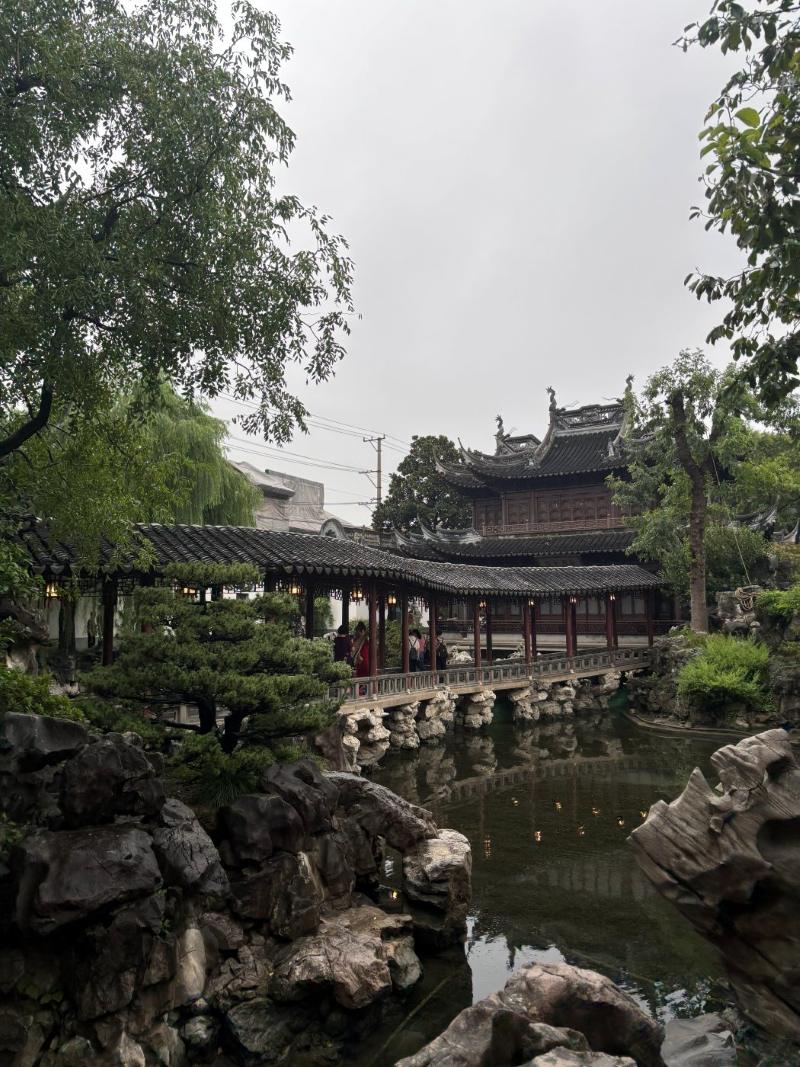
| Suzhou gardens | guides list free entry under 1.4 m |
Bring a school ID, but don't count on it always being accepted. General rules: China attraction tickets.
Strollers, the metro and cars
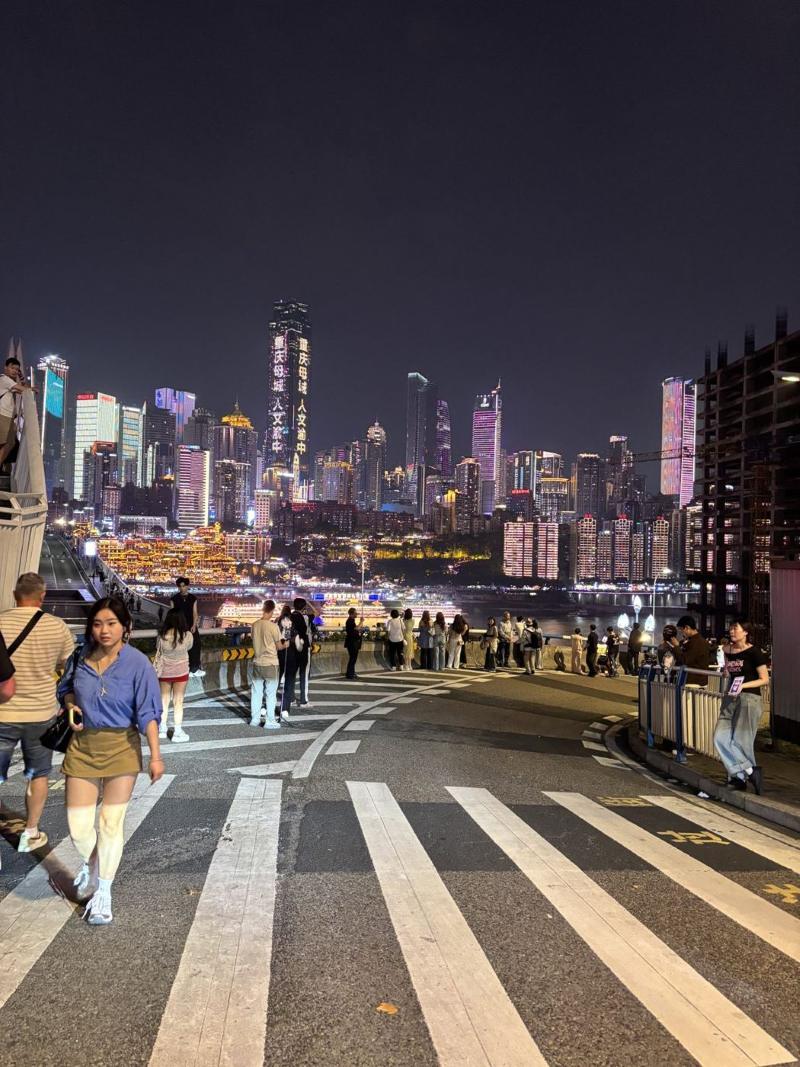
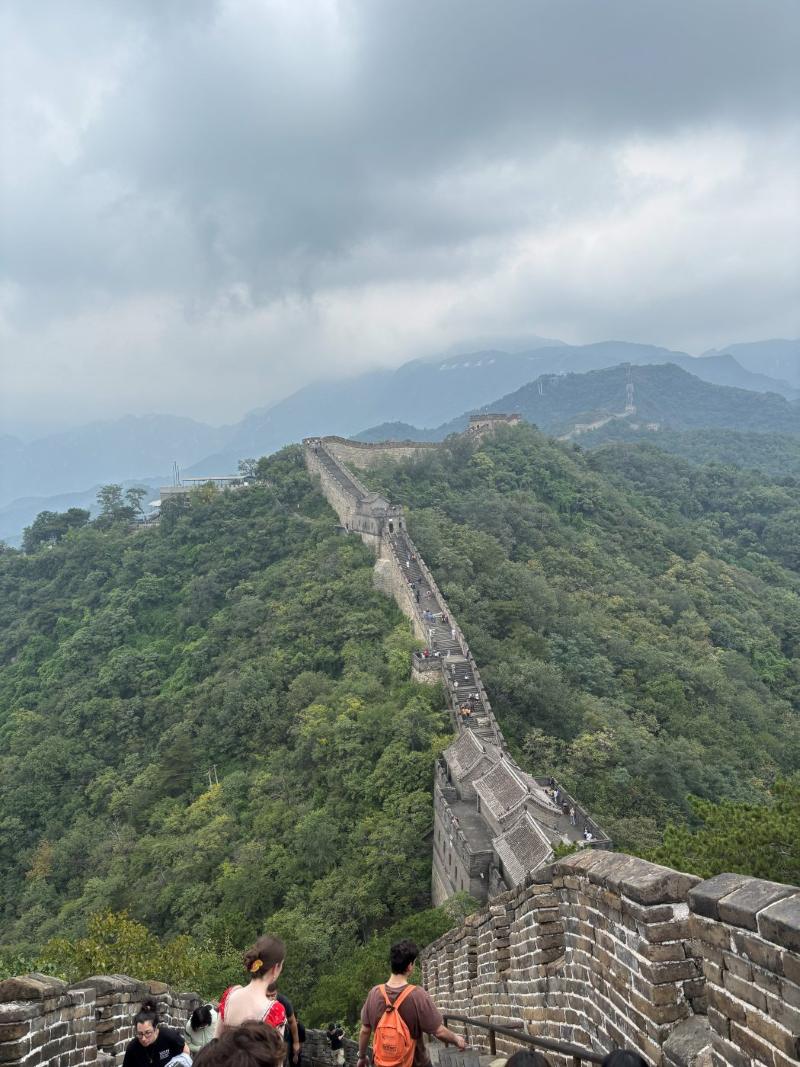
- Stroller or carrier: bring a light, foldable stroller and a carrier. A stroller works in flat cities such as Beijing, Chengdu and Guangzhou. In Chongqing, old neighbourhoods and on the Great Wall, a carrier is better. The paths at the panda base are flat, so a stroller is no problem there.
- Metro: not every exit has a lift, so allow time to find one. Check the exit in a map app (China without Google Maps).
- Taxis and DiDi: they usually have no car seats. If a car seat is essential for you, book a private transfer and give the child's age, height and weight in advance, and use the metro and trains day to day.
- Bullet trains: the most comfortable way to travel with a child. You can walk around the carriage, there are toilets on board, and trips between cities often take less time than getting to the airport and flying.
Food, water and shopping
- Water: don't drink the tap water. Hotels usually provide bottled water, and you can boil your own in the room kettle.
- Diapers and formula: in big cities you'll find them in supermarkets and pharmacies, and some items in convenience stores. If your child needs a specific formula or has an allergy, bring a supply from home.
- Spicy food: the spiciest is in Sichuan and Chongqing. When ordering, say or show 不辣 (bù là, “not spicy”). Rice, noodles, dumplings and steamed buns usually work well for children. More: Chinese regional cuisines.
In Chinese不要辣 (bú yào là) = no spice · 儿童 (értóng) = child · 过敏 (guòmǐn) = allergy · 尿不湿 (niàobùshī) = diapers · 奶粉 (nǎifěn) = formula · 婴儿床 (yīng'ér chuáng) = cot
For allergies, write down in a translator exactly what your child is allergic to, in Chinese, and show it whenever you order. Save the translation on your phone so you have it without internet.
Hotels: cots and family rooms
Before booking, check that the hotel accepts foreigners, then ask about a cot or extra bed. Many hotels have them, but not all. Families often praise serviced apartments with a kitchen and washing machine, and hotels near a metro station or park. On a longer stay in one city, this is usually easier than moving around. More on booking: Hotels, trains and flights.
Health and insurance
- Insurance: get a policy with high medical cover and medical transport that also covers your child. Check how to call the assistance line from abroad (Travel insurance for China).
- Vaccinations: we don't list them because they depend on your child's age and route. Talk to a paediatrician or travel medicine doctor a few weeks ahead. General advice: vaccines for China.
- Medicines: bring a supply of your child's medicines, a thermometer, and something for fever and diarrhoea, in the original packaging. Note down any conditions and regular medication.
- Hospital: bring your child's passport and insurance details. You'll often need to register for a patient card. Keep test results, prescriptions and receipts for your insurer. Emergency numbers: Is China safe?
- Air quality: smog can be an issue in the north in winter. If your child has asthma, check air quality in a weather app and pick indoor activities when it's poor.
Attention from strangers: photos and touching
Children, especially fair-haired ones, attract attention. Someone may ask for a photo, take one without asking, offer your child a treat or touch their cheek. It's usually friendliness, but you can decline with a smile, a gesture or the word 不要 (bú yào, “no”). Talk to your child about it before you go. If an older child dislikes it, choose less touristy places or quieter times.
TipPut a note in your child's pocket with your phone number and the hotel name in Chinese. In a crowd or at a large station, this simple step makes it easier to find each other.
Which route to choose
The rule from families who have been back to China several times: at least 3 days per city and no more than about 6 hours between hotels.
- 1 week, the simplest: Shanghai with a day trip to the canals of Suzhou, or Chengdu with its pandas.
- 10 days: Beijing and Xi'an, plus Shanghai.
- 2 weeks: add Chengdu with the pandas. Our guide to travelling China independently will help you pick a route with fewer hotel changes.
When: spring and autumn are best (Best time to visit China). July and August are hot in the south and centre, and big sights are full of Chinese families too. Winter is warm in the south, but heating in budget hotels can be weak (China in winter).
Your pre-trip checklist
- The child's passport valid for at least 6 months, with scans of documents on your phone.
- An arrival card filled in for each person.
- Consent from the other parent if only one of you is travelling.
- Sight and ticket reservations with the child's passport.
- Insurance that covers your child, and the assistance number.
- Medicines, a thermometer, and a supply of favourite formula and snacks.
- A light stroller and a carrier.
- A note with your phone number and hotel name in Chinese in your child's pocket.
- Cartoons and games downloaded for offline use, because some services don't work in China without a VPN (Internet in China).
Frequently asked questions
Does my child need a visa for China?
The rules are the same as for an adult with the same passport. Citizens of 50 countries, including most of the EU, the UK, Canada and Australia, can currently enter China visa-free for up to 30 days, until 31 December 2026, but your child must have their own passport.
At what age do children pay for trains in China?
From age 6 they pay a child fare, usually 50% in second and first class, and from 14 the full fare. A child under 6 travels free if they don't take a separate seat, but one adult can only bring one such child, and you must declare them when buying.
Do taxis in China have car seats?
Usually not, in either taxis or DiDi. If a car seat matters to you, book a private transfer in advance and give the child's age, height and weight, and use the metro and trains day to day.
Can you get around China with a stroller?
Yes, in flat cities and new shopping areas. Metro stairs, old neighbourhoods, Chongqing and the Great Wall are harder, so a light stroller plus a carrier is best.
Can I buy diapers and formula in China?
Yes, in big cities you'll find them in supermarkets and pharmacies. If your child has an allergy or needs a specific formula, bring a supply from home, because you may not find the same product.
Is China safe for children?
Crime is low. The biggest risk is traffic, especially scooters on pavements, so hold small children's hands. More: Is China safe?
Sources
- 12306: child ticket rules and Xinhua: child tickets by age (2023)
- China National Immigration Administration: fingerprints from people aged 14–70 and Chongqing border inspection (June 2026)
- Baba Goes China: China with kids, one family's account of six trips (updated October 2026)
- Arrival Card China: entering with children – arrival card and documents (August 2026; commercial site)
- Prices and discounts at sights: our guides to the panda base, Forbidden City, Terracotta Army, Harbin and Suzhou (sources in each guide)
A route that suits your family
The shortest and simplest of our plans is Shanghai in 5 days, and you'll find pandas in Cyberpunk & Pandas. The plans are written for adults, so with a small child pick 1–2 stops a day. Want a route matched to your child's age and a gentler pace? We can prepare a custom itinerary.